31 January 2026
The exhibition is open by appointment only: post@galeriebuchholz.de
Otto Meyer-Amden
3. Dezember 2025
- 31. Januar 2026
Kein anderer Schweizer Künstler hat im Übergang vom Symbolismus zur internationalen Moderne, zwischen Ferdinand Hodler und Mondrian, ein derart souveränes und eigenwilliges Œuvre geschaffen wie Otto Meyer-Amden. 1885 in Bern geboren, besuchte Meyer nach einer Lehre als Lithograph die Kunstgewerbeschule in Zürich. Nach einem ersten Semester an der Kunstakademie München trat er 1907 in die Akademie der bildenden Künste in Stuttgart ein, wo er für kurze Zeit bei Adolf Hölzel studierte, dessen Interesse für abstrakte formale Prinzipien sich vom herrschenden Naturalismus abhob. Hier begegnete er Willi Baumeister und Oskar Schlemmer, mit denen er bis zu seinem Tod engen Austausch pflegte und auf die er eine starke Wirkung ausübte. Am Rande oder sogar außerhalb der Akademie entstanden die ersten wichtigen Werke, der monumentale auratische Bronzekopf, Figuren, die Schlemmer “archaische Apollons” nannte. An den zierlichen kleinformatigen Malereien, die Sportler, Spaziergänger und Reiter wiedergaben, wird bereits sichtbar, wie Meyer der Beobachtung alltäglicher Szenen etwas Unwirkliches verlieh, das über das Erscheinungshafte hinauswies. 1911 beendete Meyer in Stuttgart das rätselhafte “Gärtnerbild” (heute im Kunsthaus Zürich aufbewahrt), die Quintessenz seiner Überlegungen zu einer Malerei, in der er die Empfindung der sichtbaren Realität und zugleich die Reflexion dieser Empfindung wiederzugeben dachte.
Dass dieses Bild in Meyer-Amdens Werk einzig blieb, ist charakteristisch für seine künstlerische Praxis. Alle darauf folgenden Arbeiten sind Studien, selbst wenn sie sorgfältig ausgearbeitet und in sich vollendet sind, denn der Künstler verstand sie als Stationen auf dem Weg zu einem geplanten, aber nie erreichten oder erreichbaren Werk. Diese Studien entstanden in der Abgeschiedenheit, denn 1912 siedelte Meyer von Stuttgart in das Bergdorf Amden um, dessen Namen man später dem seinen anfügte und wo er unter einfachen Umständen bis 1928 lebte. 1928 zog er nach Zürich, wo er bis zu seinem Tod 1933 an der Kunstgewerbeschule unterrichtete.
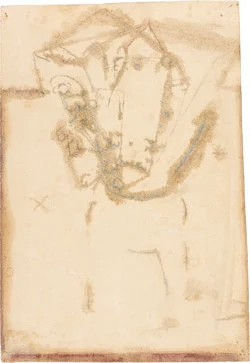
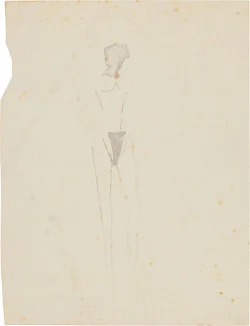
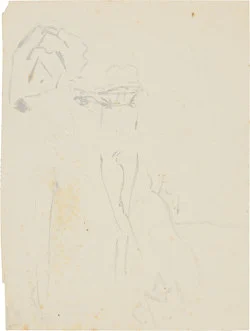
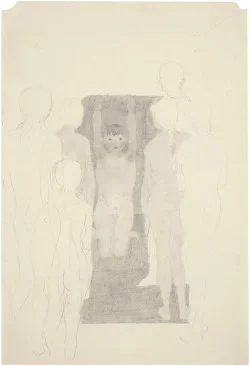
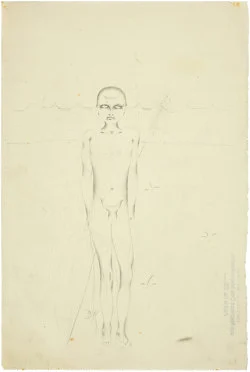
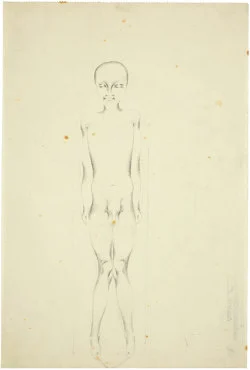
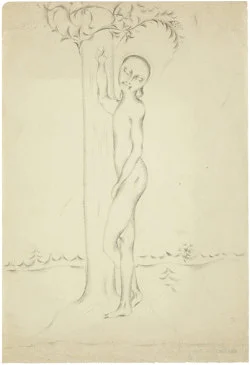
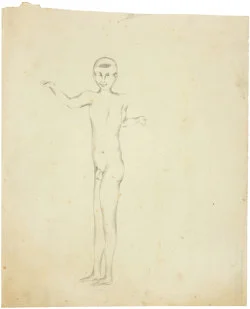
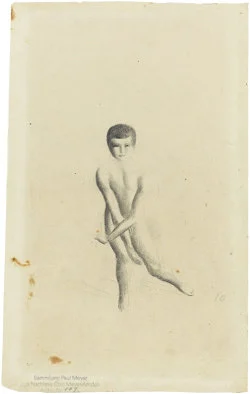
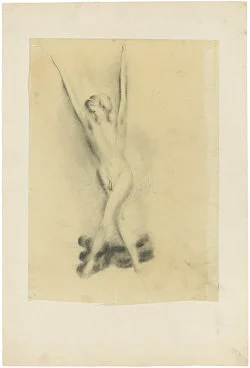
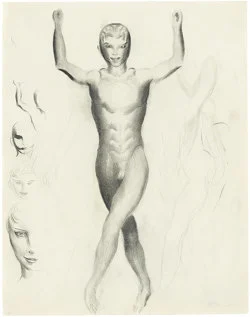
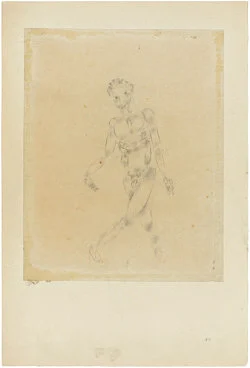
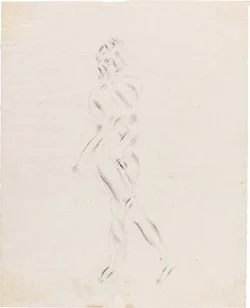
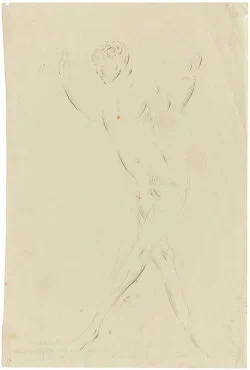
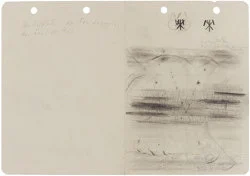
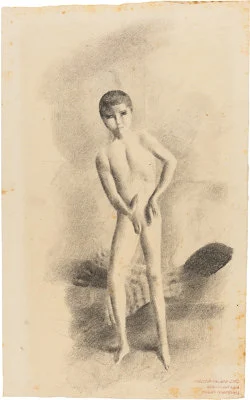
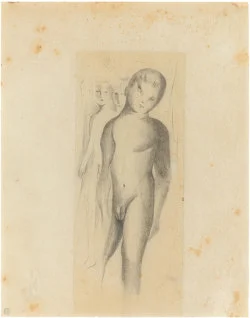
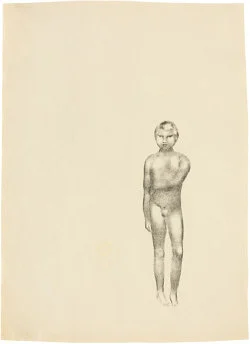
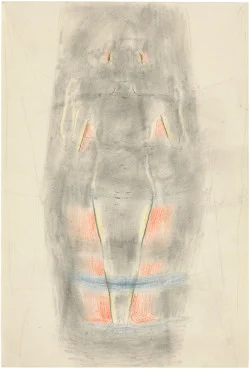
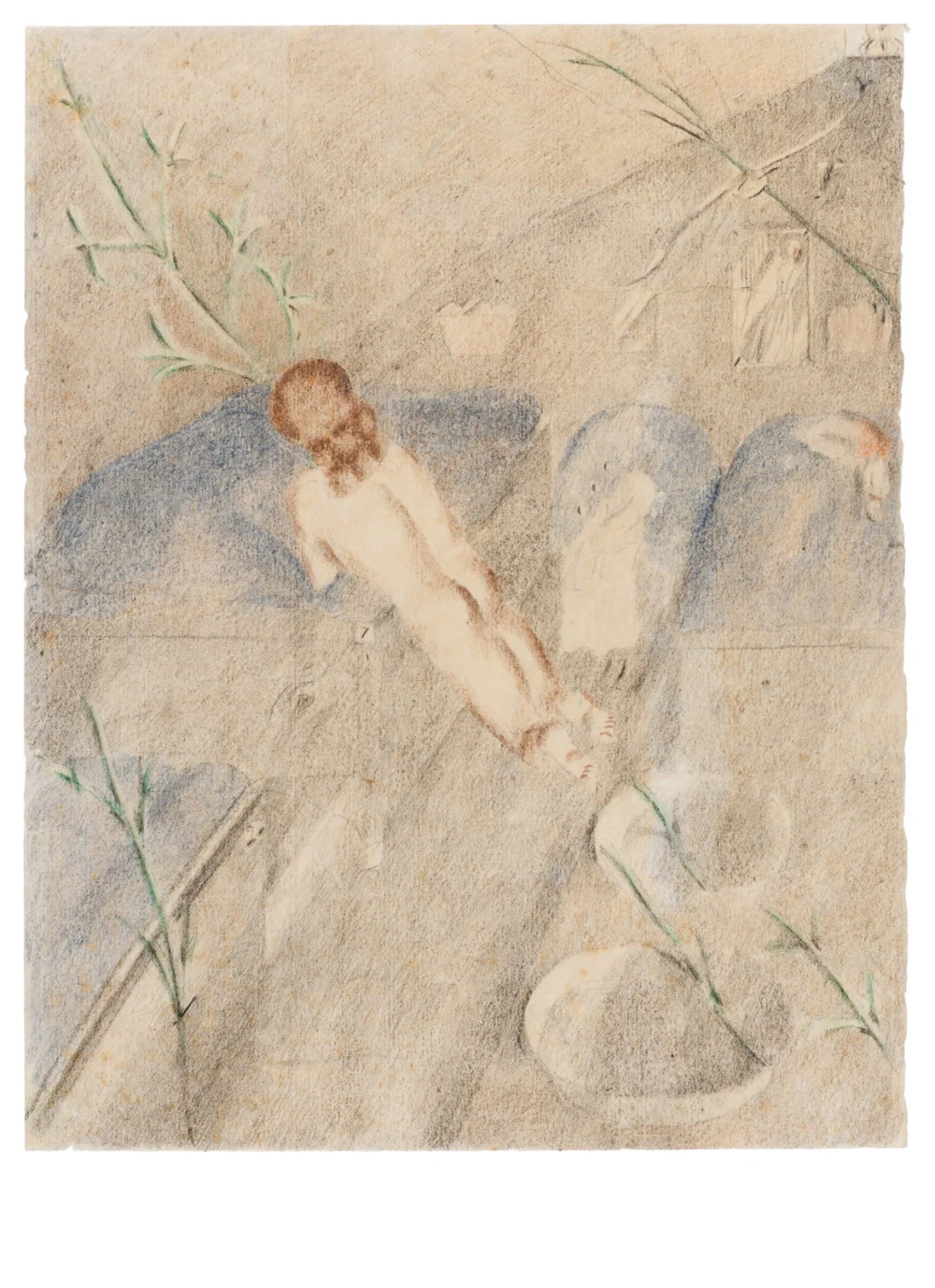
Zu Beginn seiner Amdener Zeit malte Meyer-Amden Landschaften und Interieurszenen; das Aquarell “Tempelbau” zeugt von den mystischen Spekulationen, mit denen er sich ebenso beschäftigte. In diese Jahre fallen die zahlreichen Aktstudien nach Knaben, die zunächst im Rahmen der Vorarbeiten für ein druckgraphisches Blatt entstanden, das die Schweizerische Graphische Gesellschaft 1922 bei Meyer-Amden bestellt hatte. Das Motiv und auch seine Ausführung in Bleistift leiten sich in mancher Hinsicht von den Figuren in den komplexen Graphitzeichnungen ab, mit denen sich Meyer-Amden während der Kriegsjahre beschäftigt hatte. Nur wenige dieser Akte kann man als naturalistische Studien bezeichnen; häufiger sind dagegen die Versuche, stilisierte Formulierungen für den nackten Körper zu finden. Dies geschieht oft in der Formulierung als frontal aufgestellte hieratische Figur, in der Arbeit am Kontur und der Zeichnung von Augen und Mund, deren Betonung sie mit einer Aureole umgibt.
Um 1920 werden die Figuren aus der symmetrischen Pose gelöst, und die Körperpartien durch feine Schraffuren zu einem Leuchten gebracht, das Inneres zum Ausdruck zu bringen scheint. Meyer-Amden entzieht den Knaben einen realen Umraum, um zu einer Formulierung zu gelangen, die sich vom körperlich Individuellen entfernt und auf einen existentiellen Zustand verweist. Die Nacktheit der Figur bedeutet nicht mehr allein eine Aktstudie, sie repräsentiert ein mythisches, ursprünglich körperliches Dasein. Doch vor jeder symbolischen Deutung ist Meyer-Amdens prozesshaftes künstlerisches Denken zu respektieren, in dem das Persönlichem entsprungene Motiv einer intensiven Bearbeitung unterzogen wird. In einem Text zu diesem Thema, den Schlemmer überliefert hat, sagte er dazu: “Das Bildmotiv, das wir darstellen, ist nicht eine ‘hohe’ und ferne Idee, sondern es ist ein Nahes, es ist die unwillkürliche innere Bewegung des tätigen Künstlers. […] Während der Künstler diese inneren Bewegungen als Bildmotiv zu gestalten strebt, fühlt er, wie es sein sonstiges Fremdkörperhaftes verliert, wie es sich immer mehr den anderen gereinigten Elementen des Bildschaffens nähert, bis er den Glauben ausspricht: Es ist das Einzige, das Reine, das Bildmotiv überhaupt.”¹
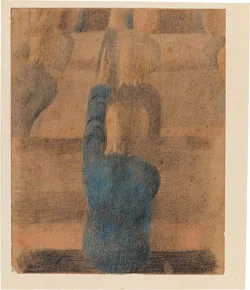
Figuren, aber nicht mehr für sich allein, sondern eingebunden in den Raum, sollten auch danach das zentrale Motiv von Meyer-Amdens Werk bleiben. Um 1918 hatte Meyer-Amden die Motive gefunden, mit denen er sich bis Ende der 1920er Jahre beschäftigen sollte - den Schlafsaal, die Hände hochhaltenden Schüler, Erwartung, Vorbereitung, und Impfung. Es sind alles Szenen, die auf Erlebtes zurückgehen, vor allem auf die Schuljahre im Waisenhaus in Bern. Dies war ein Internat mit militärisch geprägter Ausbildung, in das manche Berner Familien ihre Kinder gaben. Meyer-Amden schaute liebevoll auf diese Zeit zurück, und seine Vorstellungswelt blieb der Gemeinschaft der uniformierten Knaben und der über ihnen waltenden Ordnung verhaftet, aus der er das Grundgerüst seiner Bildordnungen ableitete.
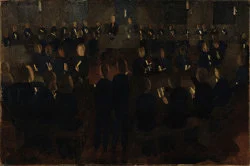
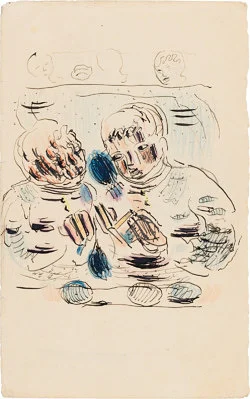
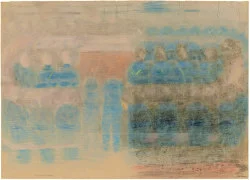
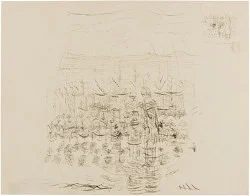
“Vorbereitung” ist das Bildthema, mit dem sich Meyer-Amden am ausführlichsten beschäftigte. Eine erste Studie dafür datiert von 1918-1919, 1922 folgten Gesamtkompositionen im Querformat, die in verschiedenen Fassungen vorliegen. Das Motiv ist die Morgenandacht im Esssaal des Internats: Die Knaben sitzen einander an hufeisenförmigen, symmetrisch angeordneten Tischen gegenüber, so dass man die Reihen der Sitzenden sowohl von hinten wie von vorn sieht. In den Händen halten sie aufgeschlagene Bücher, deren helle Schnittkanten die Komposition gliedern. Im Zentrum stehen die beiden Knaben, die als Vorsänger die Andacht eröffnen. Meyer-Amden wies in einer Notiz auf die symbolische Dimension dieser Szene hin, die er mit dem Abendmahl in Zusammenhang brachte; im weitesten Sinn ist “Vorbereitung” gemeinschaftliche Sammlung und Konzentration im Hinblick auf ein erwartetes Geschehen.
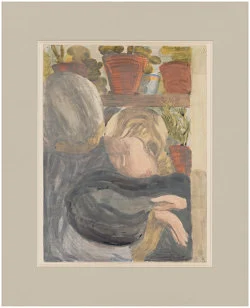
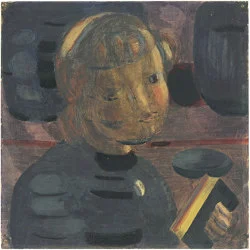
Mit diesen Kompositionen war das Thema keineswegs abgeschlossen; Meyer-Amden führte sein Motiv fort, indem er sich nun Figurengruppen und einzelnen Figuren zuwandte. Vor allem die Köpfe, Einzelbildnisse, die Ende der 1920er Jahre aus dem Ensemble der Knaben heraustreten, sind nun viel malerischer ausgeführt, nicht mehr als Farbstiftzeichnungen, sondern als flächig angelegte Gouachen. Auffällig ist, wie Meyer-Amden die Darstellungen rhythmisiert, indem er Formen herausarbeitet, welche den Kopf mit dem Grund und den am Rande noch sichtbaren Nebenfiguren zu einer Einheit bringt. Selbst im Bildnis strebt Meyer-Amden zur abstrakten Form, um Deutungen jeder Art zu vermeiden. So stellte er klar: “Mystisch, andächtig und ähnliches sind mir als Maler fremd, keinesfalls Ziel. Sondern: Bewusstheit, Ordnung, Klang von der Ordnung her…”²
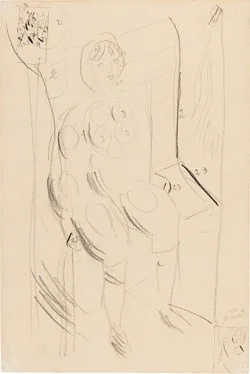
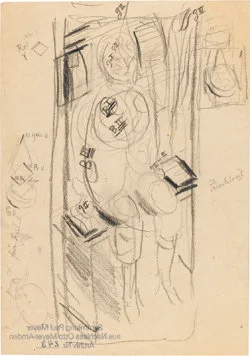
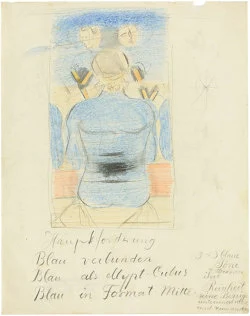
1923 erhielt Meyer-Amden den Auftrag, ein Glasfenster für das Zwingli-Haus in Zürich zu entwerfen. Er wählte, dem Ort entsprechend, ein kirchliches Motiv, das er in zahlreichen Zeichnungen abwandelte - die in Kirchbänken sitzenden Knaben “warten, mit einiger Kraft u. möglichster Harmonie auf neue Kraft u. größere Harmonie”³. Die Sitzenden in ihren blauen Uniformen werden als Gitterordnung aufgefasst, die sich über den Tondo legt. Figuren und Raum sind in den Primärfarben ineinander verwoben. Das zwei Jahre später von einem Glasmaler ausgeführte Fenster brachte die Klarheit und Transparenz von Meyer-Amdens Bildkonzeption zum Tragen, die Einheit der Bildelemente, die laut Schlemmer “dem Kosmos und dem Viereck gerechtwerden will”⁴, die also Vorstellung und Form ideal verbindet.
Nach Meyer-Amdens Tod hob der Kunsthistoriker Sigfried Giedion das überraschende Faktum hervor, dass der Künstler innerhalb eines die Abstraktion anstrebenden Epochenstils, der auf die reine Dinglichkeit aus war, sich an der menschlichen Figur orientierte. Als Vorbilder für diese von allem Individuellen absehenden Darstellungsweise nannte er die Figuren an den frühgotischen Portalen der Kathedrale von Chartres.⁵ Meyer-Amdens Darstellung erschöpft sich nicht in der Figur als solcher, sie ist Ausdruck einer besonderen Erfahrung und bringt zugleich eine objektivierte, konstruierte Form hervor - das eine bedingt für ihn stets das andere. In beidem formuliert sich eine ideale Bewegung, die über das Erscheinungshafte hinausweist, und damit näherte sich Meyer-Amden den zeitgenössischen Künstlern, die zu ungegenständlichen Formulierungen vorstießen. Schlemmer vergleichbar, leitete ihn der Wille an, gegenüber einer als formalistisch empfundenen, kubistisch geprägten Moderne einen anderen Weg zu finden. Besonders in den ausgehenden 1920er Jahren tritt die ideelle Nähe der befreundeten Künstler zutage, da in ihren Figurendarstellungen die Figur entkörperlicht wird, was keineswegs in Widerspruch zur räumlichen Auffassung steht. Vielmehr finden beide Künstler in Zeichnungen und Aquarellen Wege, um die Modellierung von Körper und Antlitz durch Folgen von geschwungenen Linien zu evozieren und sie auf diese Weise in ihrem Sein im Raum ekstatisch zu überhöhen. Nicht von ungefähr wurde eingangs Mondrian erwähnt, denn in einem Brief an den Architekten und späteren Bauhaus-Direktor Hannes Meyer hielt Meyer-Amden um 1925 seine Bewunderung für dessen Werk fest: “die Schönheit mit der er seine Ueberzeugung sagt u. überzeugen will, ist für mich überall ergreifend, u. sie ist not.”⁶
Dieter Schwarz
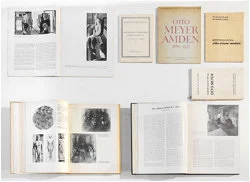
¹ Otto Meyer-Amden, “Das Motiv”, in: Oskar Schlemmer, Otto Meyer Amden: Aus Leben, Werk und Briefen. Zürich: Verlag der Johannespresse, 1934, n.p.
² Otto Meyer-Amden, zitiert nach Schlemmer, ibid., p. 18.
³ Otto Meyer-Amden, “Brief über das Wiedikoner Glasgemälde. An Architekt Hannes Meyer (um 1925)”, Werk, Vol. 40, No. 5 (Mai 1953), p. 172.
⁴ Otto Meyer-Amden, zitiert nach Schlemmer, siehe Fußnote 1, p. 8.
⁵ Sigfried Giedion, “Otto Meyer-Amden: Sein Werk”, Werk, Vol. 21, No. 3 (März 1934), pp. 67-81.
⁶ Otto Meyer-Amden, “Brief über das Wiedikoner Glasgemälde”, siehe Fußnote 3.
Otto Meyer-Amden
3. December 2025
- 31. January 2026
In the transition from Symbolism to international modernism that occurred between Ferdinand Hodler and Mondrian, no other Swiss artist succeeded in creating an oeuvre as confident and idiosyncratic as that of Otto Meyer-Amden. Born in 1885 in Bern, Meyer initially trained as a lithographer before attending the School of Arts and Crafts in Zürich. Following a semester at the Academy of Arts in Munich, he joined the Royal Academy of Fine Arts in Stuttgart in 1907, where he studied for a short time under Adolf Hölzel, whose interest in abstract formal principles set him apart from the prevailing naturalism of the time. It was there that he encountered Willi Baumeister and Oskar Schlemmer, with whom he would go on to maintain a close exchange until his death, exerting a strong influence on the pair. Otto Meyer’s first important works were created on the fringes of the academy or even outside it: the monumental and auratic bronze head, the figures Schlemmer termed “archaic Apollos.” After he had left the academy he started to produce delicate small-format paintings depicting people playing sport, walking, or on horseback; already, here, one clearly recognizes the way in which Meyer manages to imbue his observations of everyday scenes with an element of the unreal that goes beyond the sensible. In 1911, Meyer completed his mysterious “Gärtnerbild” [Gardener picture] in Stuttgart (today housed at the Kunsthaus Zürich), a work that represents the quintessence of his considerations about a form of painting that manages to both present our perception of visible reality while at the same time also reflecting upon it.
That this painting remained the only finished one in Meyer-Amden’s body of work is typical for his artistic practice. All subsequent works are studies, even when meticulously executed and fully completed, as the artist saw them as stations along a path to a work that was planned but ultimately remained unrealized and unreachable. These studies were produced in seclusion, as Meyer relocated in 1912 from Stuttgart to the mountain village of Amden, whose name would later be added to his own, and where he lived in humble circumstances until 1928. In this year he moved to Zürich, where he taught at the School of Arts and Crafts up until his death in 1933.
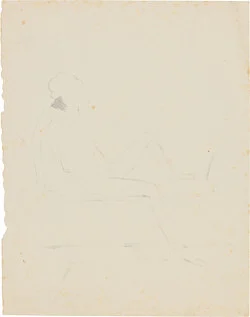
While the early works that Meyer-Amden produced during his time at Amden were landscapes and interior scenes, he was equally engaged in questions of mystical speculation, as evidenced by his watercolor of a temple building. It was in these years that the artist started to draw countless studies of young boys, many of which were produced in preparation for a graphic print commissioned by the Schweizerische Graphische Gesellschaft (Swiss Graphic Society) in 1922. Both the motif and its execution in pencil are reminiscent of the figures that appear in the complex graphite drawings Meyer-Amden created during World War I. Only a small number of these nude studies can be described as naturalistic; more frequently, they represent attempts to find stylized idealizations for the naked body. In formulating the works this was often manifested in a frontally positioned hieratic figure, in contour work, and in accentuating eye and mouth by shading to suggest aureolas. The figures were released from their symmetrical pose around 1920, with finely hatched body parts creating a luminescence that seems to express an interior glow. Meyer-Amden removes the boys from a realistic environment in order to achieve a formulation that distances itself from bodily individuals and refers instead to an existential condition. The nakedness of the figure no longer implies a nude study alone, standing too for a mythical and primal bodily presence. Any symbolic interpretation of Meyer-Amden’s work must respect his process-driven artistic thinking, whereby motifs drawn from the artist’s own life underwent a rigorous process of treatment. In a text on this subject, relayed by Schlemmer, he said of this: “The pictorial motif we present is not some ‘high’ and remote idea, but something close by; it’s an instinctive movement within the artist who is working. […] When the artist strives to capture this inner movement in the form of a pictorial motif, he feels the sense of it as being foreign to himself diminish, as it increasingly approaches the other purified elements involved in creating an image, until finally he pronounces: it is the only thing, a pure thing, the motif itself.”¹
Figures were to remain the central motif of Meyer-Amden’s work, no longer isolated but integrated into the space around them. By around 1918, Meyer-Amden had already found the motifs that would occupy him until the end of the 1920s - the dormitory; the schoolchildren with their hands raised in the air; “anticipation,” “preparation,” and “inoculation.” Each of these scenes marks a return to the artist’s lived experience, and above all to his school years, spent in an orphanage in Bern. This was a boarding school that provided a military-like education to the children of many of Bern’s families. Meyer-Amden looked back on this time with affection, and his conception of the world remained rooted in the uniformed boys and the system of rules presiding over them, the latter providing the basic framework for his pictorial arrangements. Of all of Meyer-Amden’s pictorial themes, “preparation” was the one he engaged with most extensively. An initial study is dated 1918-1919, with complete horizontal-format compositions following in 1922, produced in several different versions. The subject is morning prayer in the boarding school’s dining hall: the boys sit facing each other at horseshoe-shaped and symmetrically arranged tables, so that one sees the rows of those seated from both the rear and the front. In their hands they hold open hymnbooks, the bright edges of their pages structuring the composition. In the center of the image stand two boys, the precentors whose singing begins the prayers. In a note, Meyer-Amden made reference to the symbolic dimension of this scene, which he related to the idea of communion; in the broadest sense, “Vorbereitung” portrays a collective act of congregation and concentration in expectation of an anticipated event.
This composition by no means marked the end of Meyer-Amden’s engagement with the theme; he continued the motif by turning to further figures, arranged both individually and in groups. The head pictures in particular, individual portraits that emerged from the ensemble of boys at the end of the 1920s, are much more painterly in their execution than earlier works, with flatly applied gouache replacing colored pencil. It’s striking how Meyer-Amden rhythmized the image, by carving out forms that manage to bring the head into unity with the painting’s ground and the secondary figures still visible at the image’s edge. Meyer-Amden’s desire to avoid interpretations of any kind means he can be seen striving for the abstract form even when producing a portrait. As he himself said: “The mystical, the devout, or anything similar are alien to me as a painter, and certainly no goal. Rather: awareness, order, a resonance that emerges from this order…”²
In 1923 Meyer-Amden was commissioned to design a glass window for the Zwinglihaus in Zürich, a gathering place for the local protestant community. In keeping with the location, he chose an ecclesiastical motif that had appeared in many variegations in his drawings: boys sitting in church pews, “waiting, with a certain strength and the greatest possible harmony, for new strength and greater harmony.”³ Sat in their blue uniforms, the boys appear as a grid formation superimposed over the tondo. The figures are interwoven into the space around them using primary colors. When realized two years later by a glass painter, the window brought Meyer-Admen’s pictorial concept to bear: a unity of pictorial elements “wanting to do justice to both the cosmos and the square”⁴; to ideally connect concept and form.
Following Meyer-Amden’s death, the art historian Sigfried Giedion pointed out the surprising fact that the artist had oriented himself toward the human figure while working within an epochal style that strove for abstraction and was bent on achieving pure objecthood. In describing this mode of representation, one that forgoes any and all individuality, Giedion cited the figures on the early Gothic portals at the cathedral in Chartres as models.⁵ Meyer-Amden’s representation does not exhaust itself in the figure per se; rather, it is the expression of a particular experience, bringing forth a form that is simultaneously both objectified and constructed - for him, the one always presupposes the other. In both, an ideal movement formulates itself that extends beyond the sensible, and in this sense Meyer-Amden’s work approached that of those artists of the era who were pushing for immaterial formulations in their practices. Similarly to Schlemmer, he was guided by a desire to find an alternative path, one located away from a modernism rooted in formalism and dominated by Cubism. The similarities between the ideas of the two artists could be particularly observed in the closing years of the 1920s, in the way both would disembody the figures they portrayed. This in no way contradicts the idea of spatial perception; rather, both artists found that drawings and watercolors offered them ways to evoke the modelling of the body and face, through successions of curved lines, and in this way to ecstatically elevate them in their being within space. It’s no coincidence that Mondrian was mentioned at the start of this text, since in 1925 Meyer-Amden expressed his admiration for his work in a letter to the architect and later Bauhaus director Hannes Meyer as follows: “The beauty with which he states his conviction, and with which he himself seeks to convince, is for me always moving, and it is essential.”⁶
Dieter Schwarz
¹ Otto Meyer-Amden, “Das Motiv”, in: Oskar Schlemmer, Otto Meyer Amden: Aus Leben, Werk und Briefen. Zürich: Verlag der Johannespresse, 1934, n.p.
² Otto Meyer-Amden, quoted by Schlemmer, ibid., p. 18.
³ Otto Meyer-Amden, “Brief über das Wiedikoner Glasgemälde. An Architekt Hannes Meyer (um 1925)”, in: Werk, vol. 40, no. 5 (May 1953), p. 172.
⁴ Otto Meyer-Amden, quoted by Schlemmer, see note 1, p. 8.
⁵ Sigfried Giedion, “Otto Meyer-Amden: Sein Werk”, in: Werk, vol. 21, no. 3 (March 1934),
pp. 67-81.
⁶ Otto Meyer-Amden, “Brief über das Wiedikoner Glasgemälde”, see note 3.

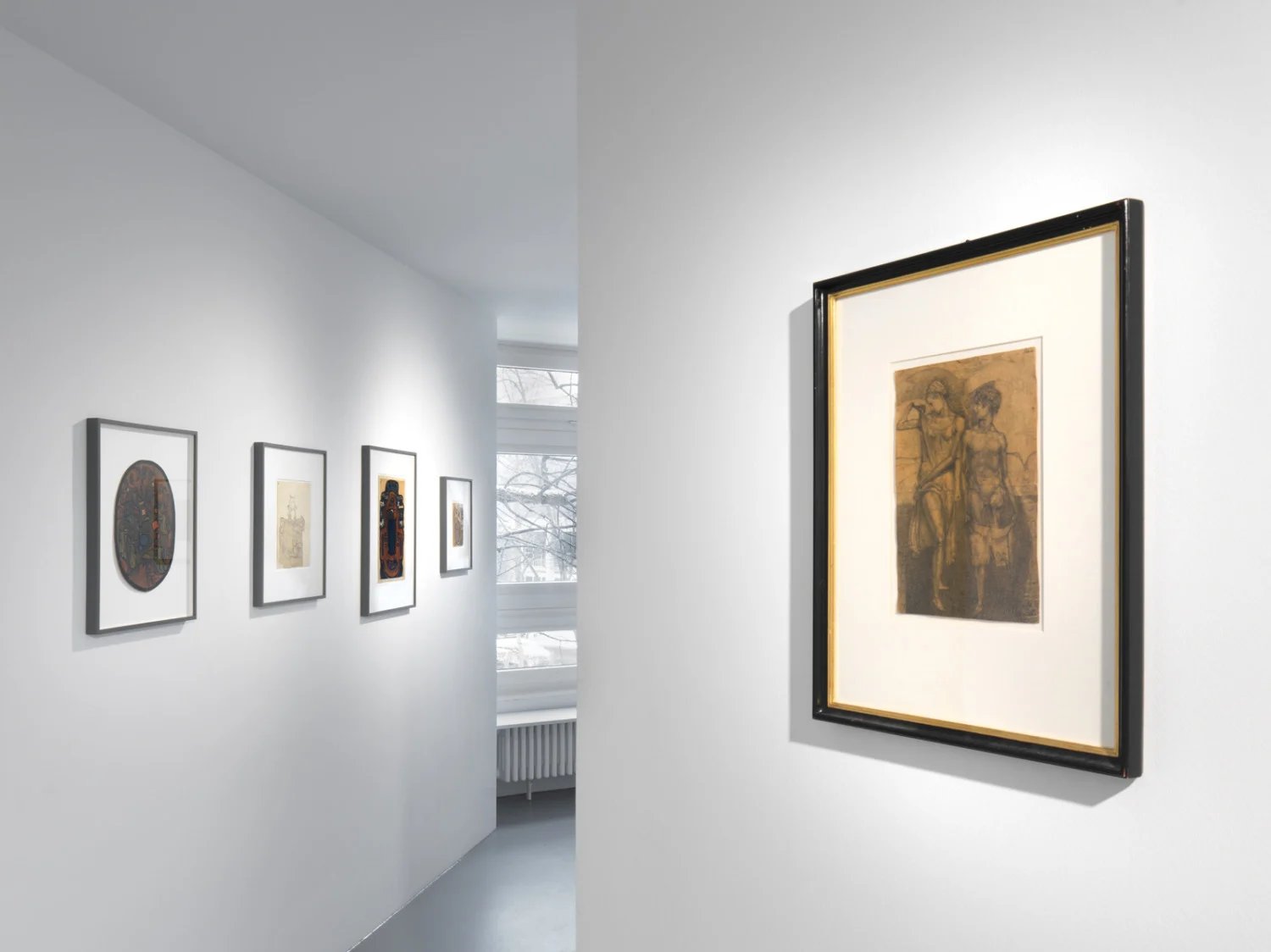
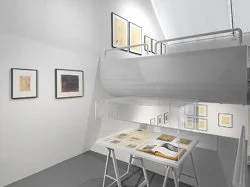
Otto Meyer-Amden
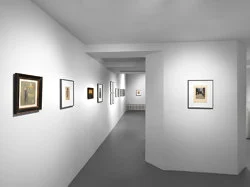
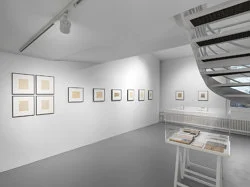
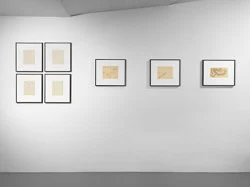
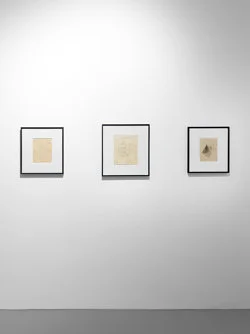
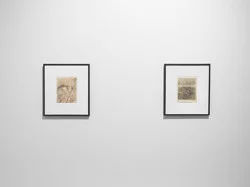
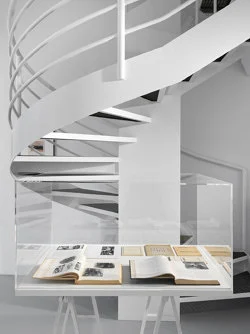
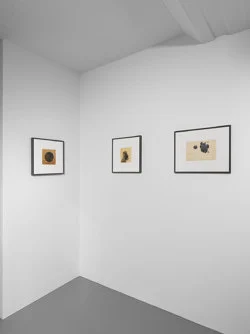
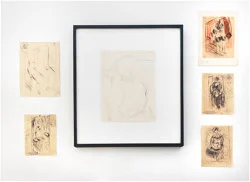
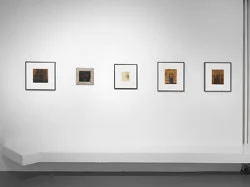
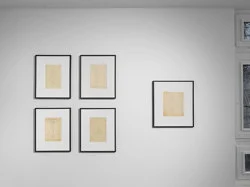
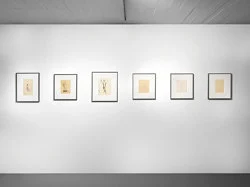
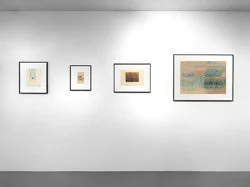
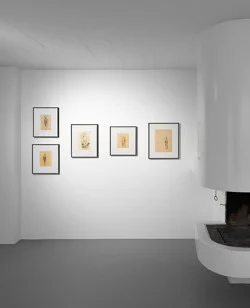
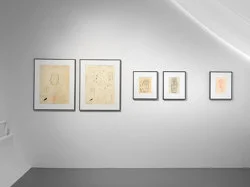
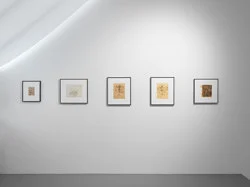
installation view Herderstraße 16, Berlin 2025
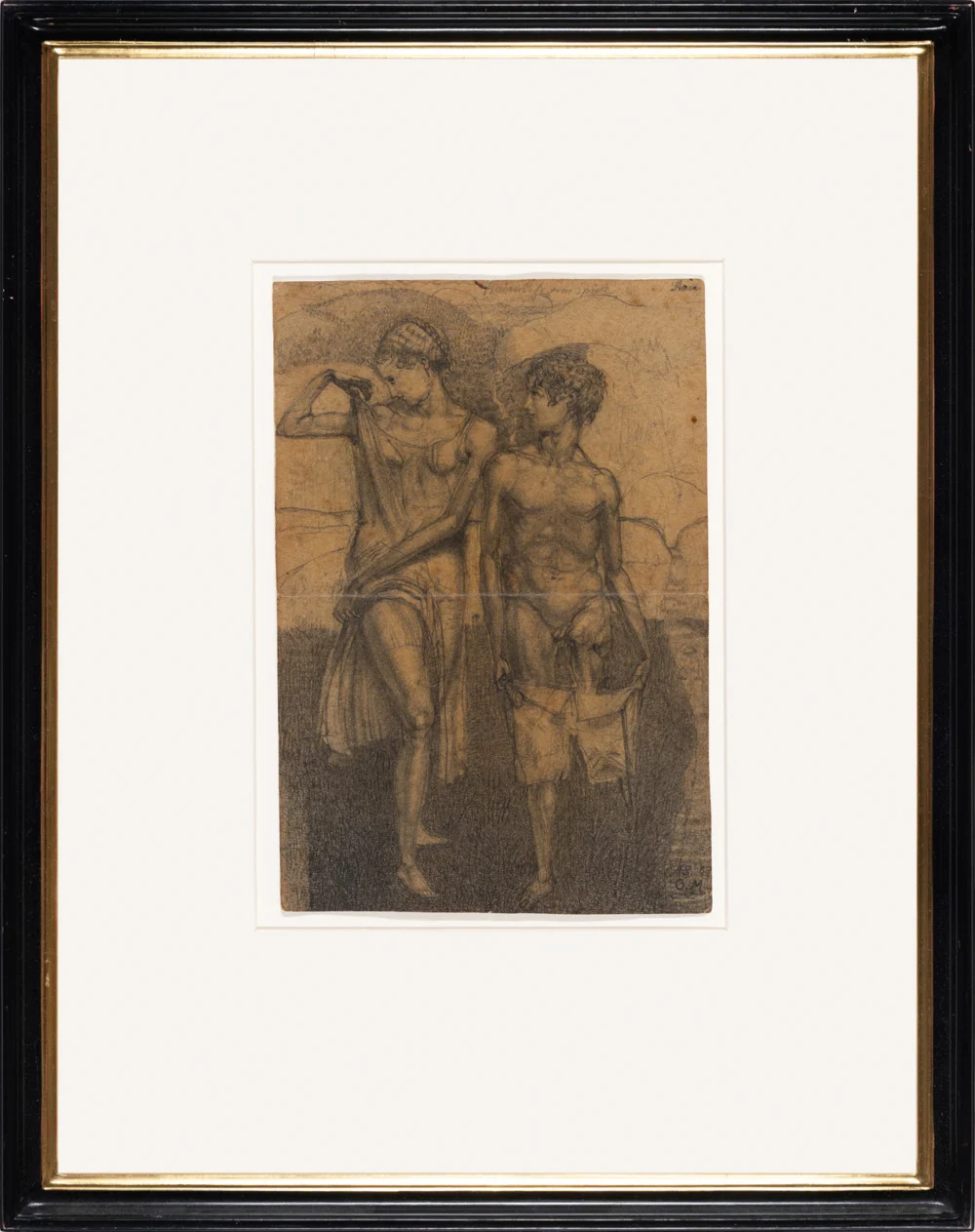
Otto Meyer-Amden
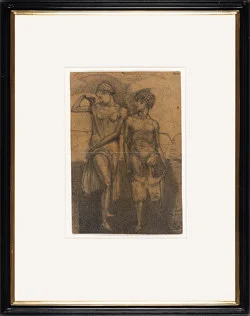
Untitled (Heimkehr vom Spiele), 1907
pencil on paper
24.7 x 17 cm
(framed: 47.6 x 37.6 cm)

Otto Meyer-Amden
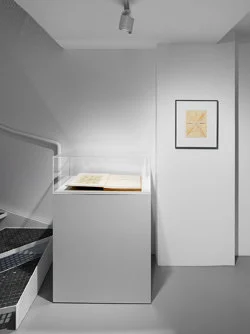
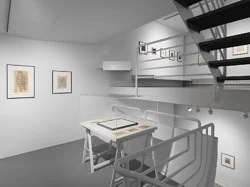
installation view Herderstraße 16, Berlin 2025
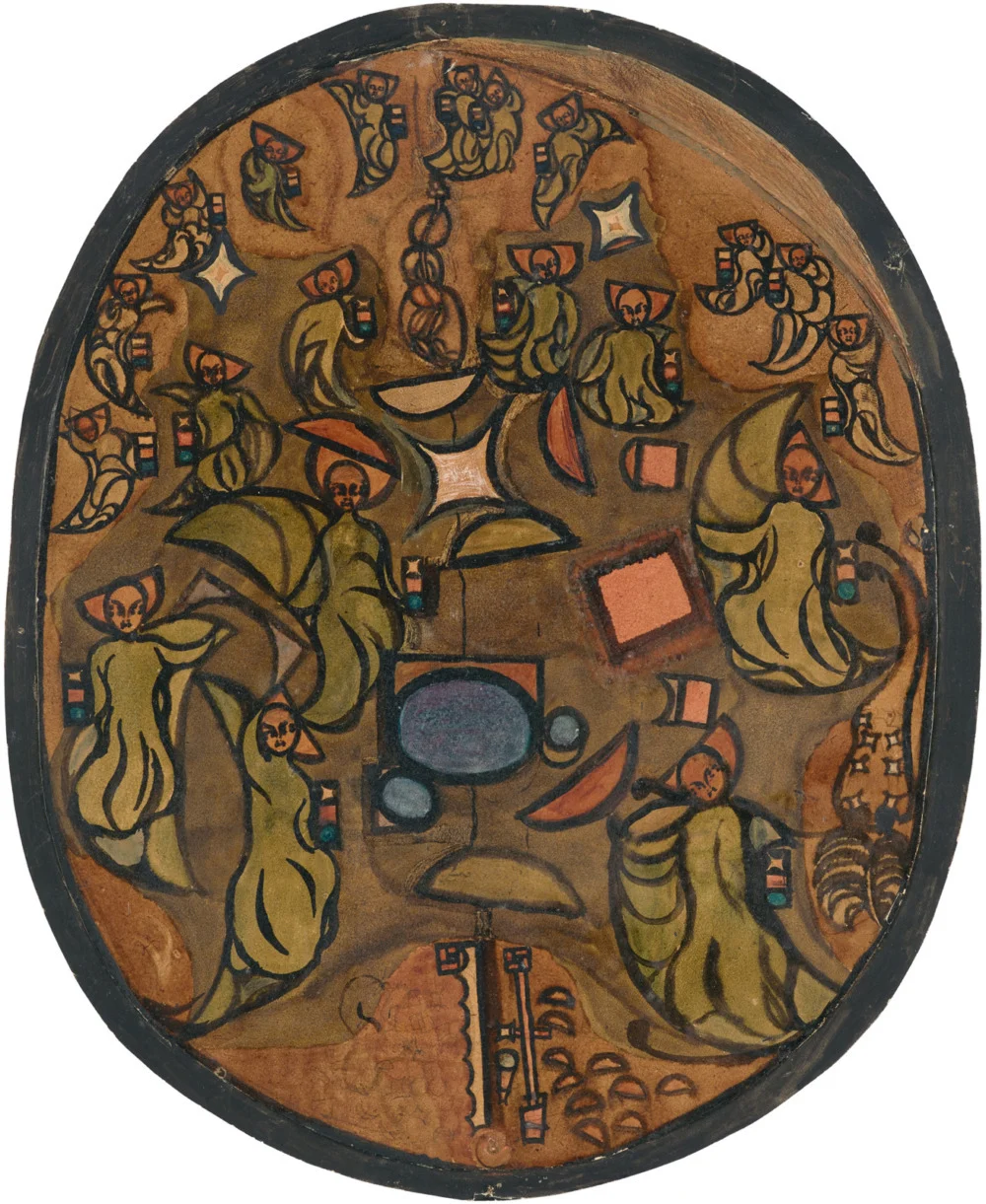
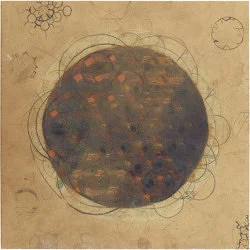
Otto Meyer-Amden
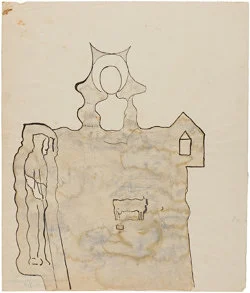
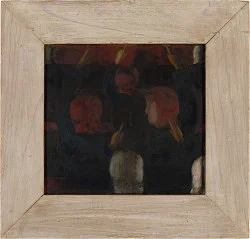
Untitled (Tempelbau), ca. 1915
oil, ink, pencil on paper, mounted on cardstock
31.5 x 25.9 cm
(framed: 48.3 x 42 cm)

Otto Meyer-Amden
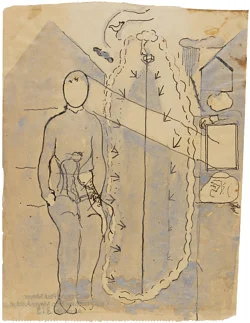
Untitled (Sinnbild, Hirte mit Stock und Kuh), 1913-1917
ink and lacquer on paper (vellum)
26 x 22 cm

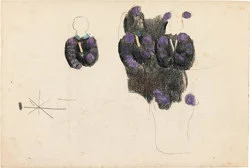
Otto Meyer-Amden
Untitled (Religiöses Sinnbild - Das Reich wurde genommen und den Heiden
gegeben), ca. 1915
oil and ink on cardstock
38.8 x 27 cm
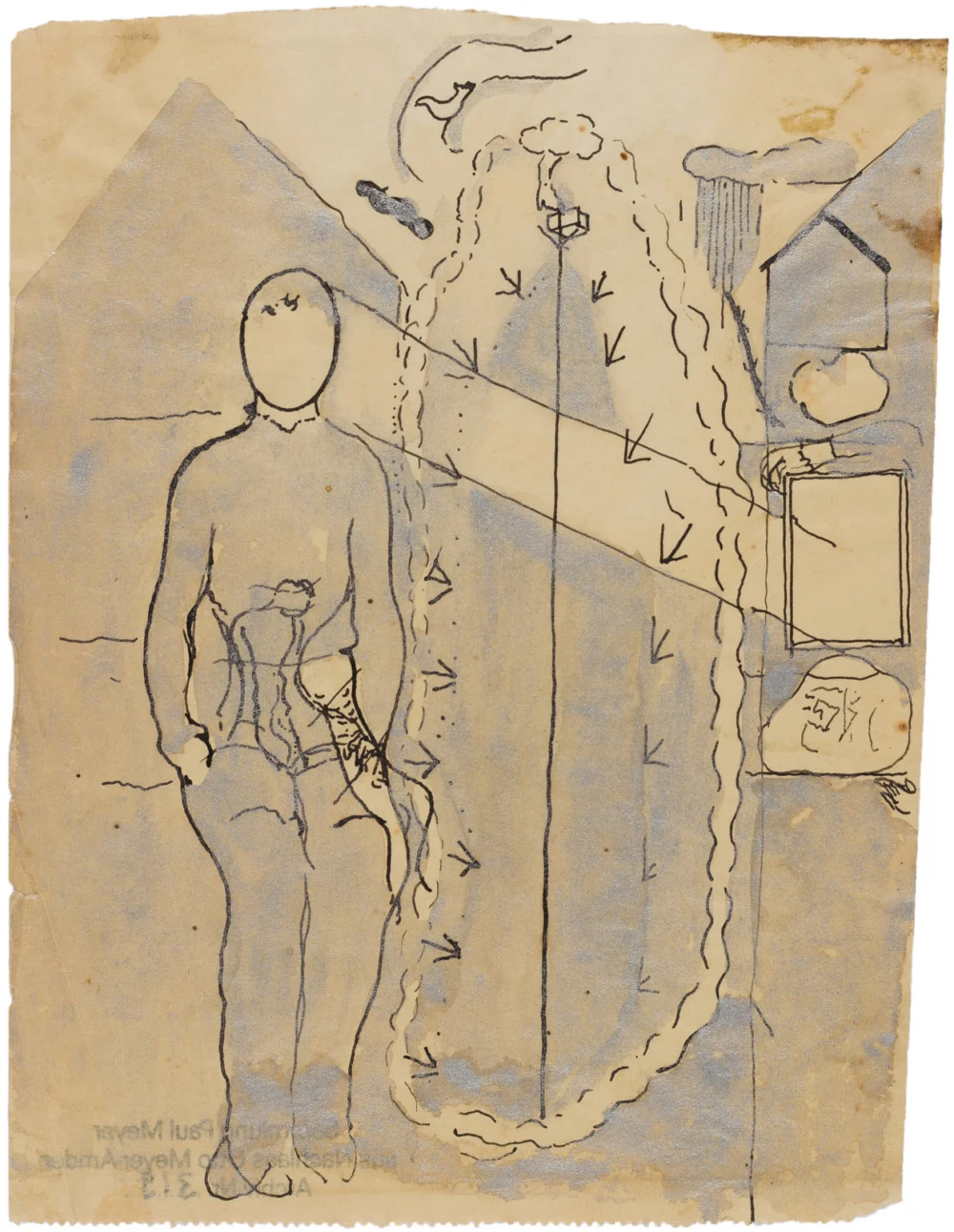
Otto Meyer-Amden
Untitled (Sinnbild, Sitzende Figur), 1913-1917
ink and lacquer on paper (vellum)
19 x 14.5 cm

Otto Meyer-Amden
installation view Herderstraße 16, Berlin 2025
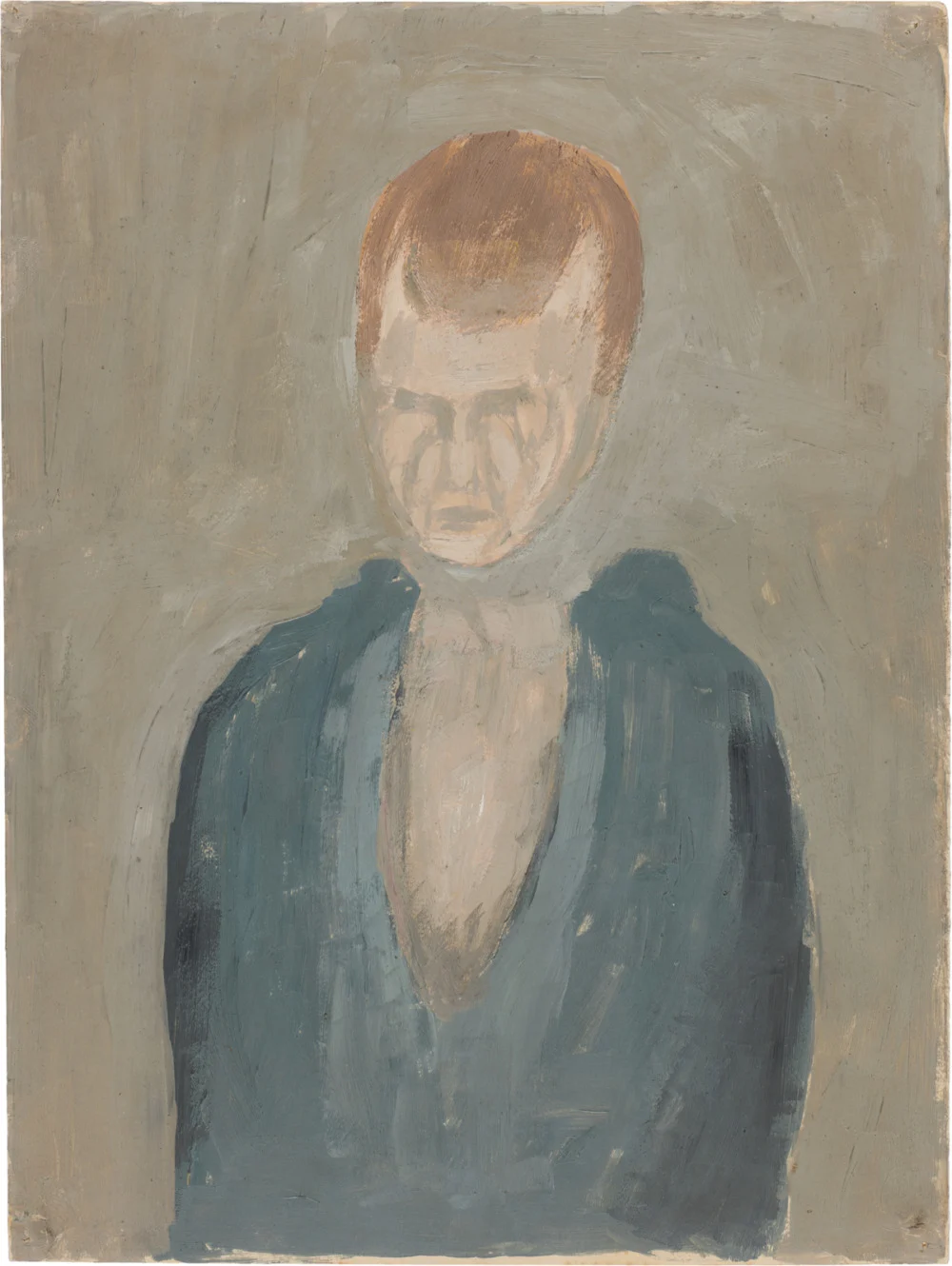
Otto Meyer-Amden
Untitled (Halbbildnis eines stehendes Mannes), ca. 1913
oil on paper (vellum)
32.8 x 24.2 cm

Otto Meyer-Amden
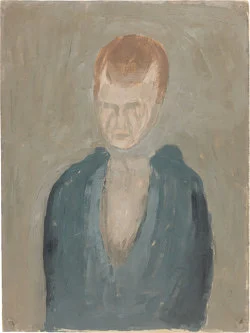
Untitled (Männerbildnis), 1913
oil on paper
22.6 x 19.3 cm

Otto Meyer-Amden
installation view Herderstraße 16, Berlin 2025

Otto Meyer-Amden
Untitled (Kartenspieler in Amden), 1913
oil on paper
21.2 x 16.5 cm

Otto Meyer-Amden
Untitled (Violinspieler), 1913
oil on cardstock
24 x 19.5 cm
(framed: 37.5 x 33 cm)

Otto Meyer-Amden
Untitled (Junger Mann mit Stock), ca. 1913
oil on paper (vellum)
20.8 x 16.5 cm
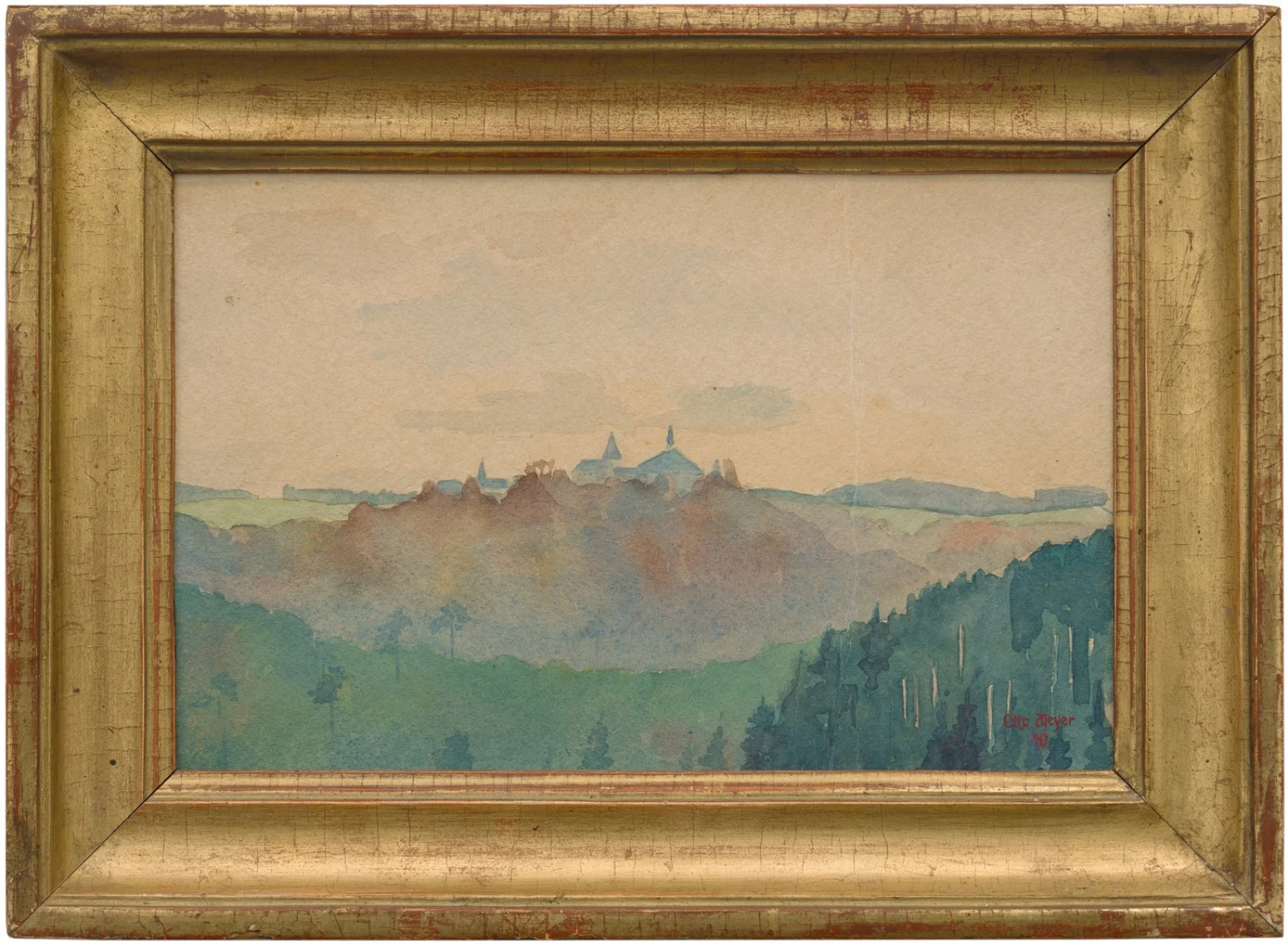
Otto Meyer-Amden
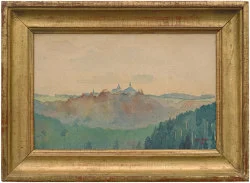
Untitled (Landschaft), 1910
watercolor and pencil on paper
16 x 24.4 cm
(framed: 23.8 x 32.4 cm)
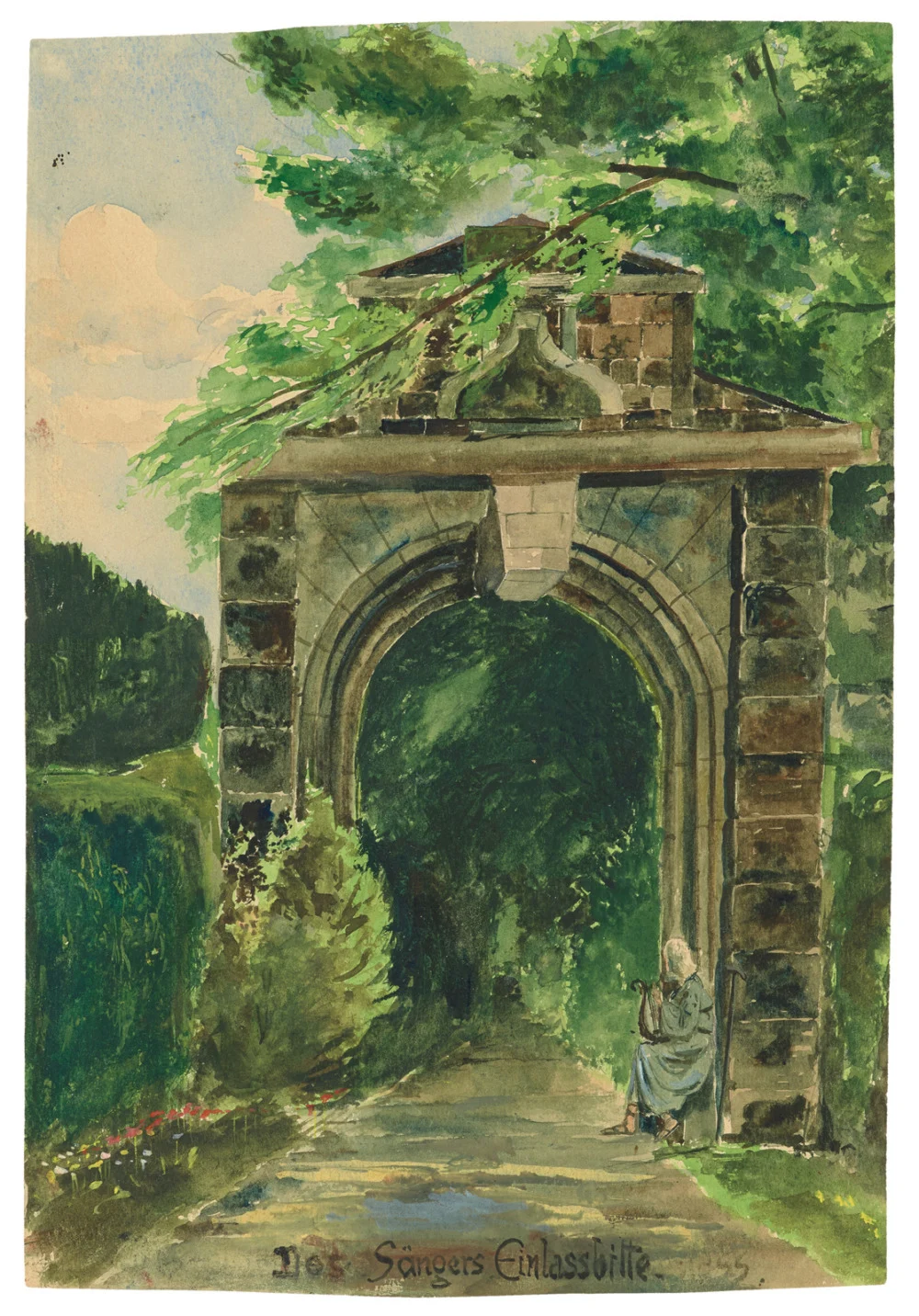
Otto Meyer-Amden
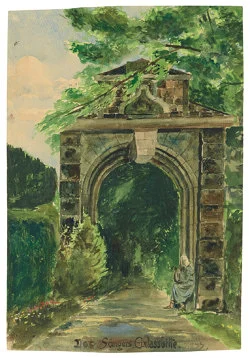
Untitled (Des Sängers Einlassbitte), ca. 1904
watercolor and pencil on paper
27.2 x 18.9 cm
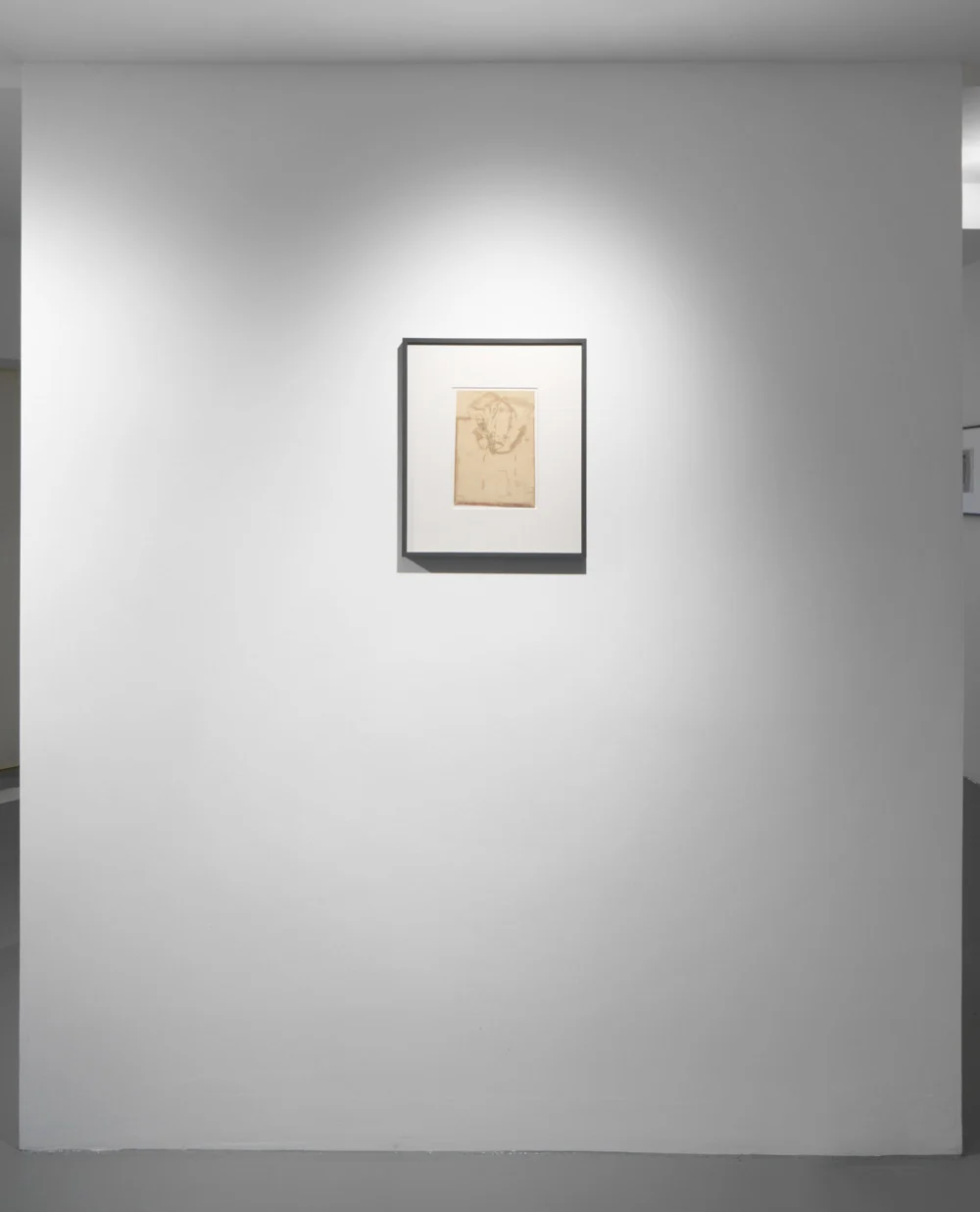
Otto Meyer-Amden
Untitled (Maiglöckchenstudie), 1909
ink on paper
23.9 x 16.5 cm
(framed: 45.4 x 37.8 cm)
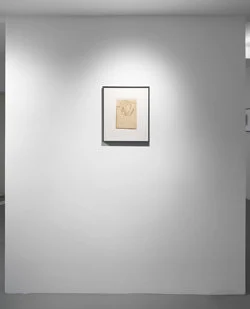
installation view Herderstraße 16, Berlin 2025

Otto Meyer-Amden
Untitled (Maiglöckchenstudie), 1909
ink on paper
23.9 x 16.5 cm

Otto Meyer-Amden
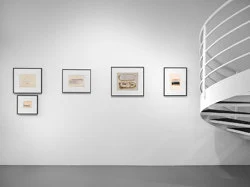
installation view Herderstraße 16, Berlin 2025

Otto Meyer-Amden
installation view Herderstraße 16, Berlin 2025

Otto Meyer-Amden
Untitled (Gärtnerstudie), 1909
silverpoint on vellum
20.8 x 16.5 cm

Otto Meyer-Amden
Untitled (Sitzender männlicher Akt), 1909
silverpoint on vellum
20.8 x 16.5 cm

Otto Meyer-Amden
Untitled (Stehender männlicher Akt), 1909
silverpoint on vellum
20.8 x 16.5 cm

Otto Meyer-Amden
Untitled (Stehende Figur), 1909
silverpoint on vellum
20.8 x 16.5 cm

Otto Meyer-Amden
Untitled (Tagebuchblatt), ca. 1913
ink on paper (vellum)
17.8 x 22 cm

Otto Meyer-Amden
Untitled (Tagebuchblatt), ca. 1913
ink on paper (vellum)
17.8 x 22 cm

Otto Meyer-Amden
Untitled (Studie zur Hirtenlegende), um 1914-1916
pencil on paper
25.3 x 15.9 cm

Otto Meyer-Amden
installation view Herderstraße 16, Berlin 2025

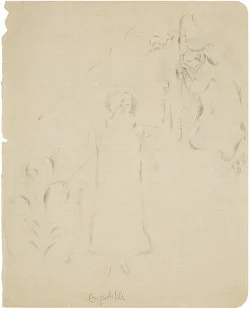
Otto Meyer-Amden
Untitled (Empedokles),
ca. 1914-1915
pencil on paper
21 x 16 cm

Otto Meyer-Amden
Untitled (Der Geizhals), 1913
pencil on paper
26 x 22 cm

Otto Meyer-Amden
Untitled (Garten), 1910-1920
pencil on paper
20.7 x 15.9 cm
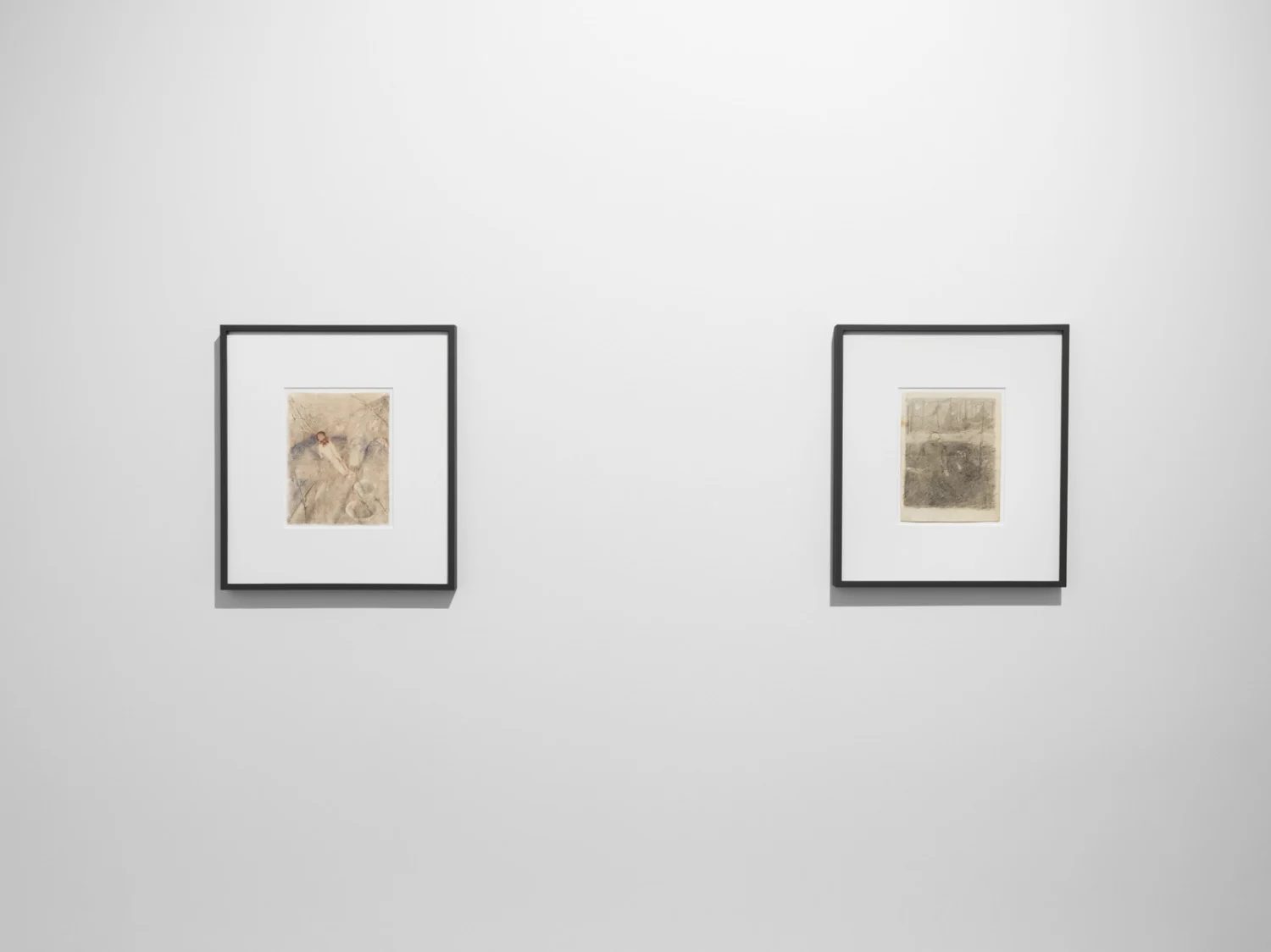
Otto Meyer-Amden
Untitled (Phantasmagorie),
c. 1918
pencil and colored pencil
on paper
21.5 x 16.8 cm
&
Untitled (Zwei Akte im Wald), ca. 1910
pencil on paper
21 x 16.3 cm
installation view Herderstraße 16, Berlin 2025

Otto Meyer-Amden
Untitled (Phantasmagorie),
c. 1918
pencil and colored pencil
on paper
21.5 x 16.8 cm

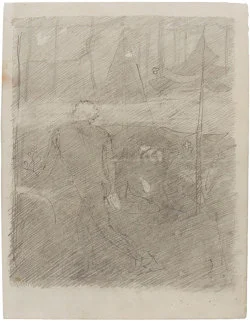
Otto Meyer-Amden
Untitled (Zwei Akte im Wald), ca. 1910
pencil on paper
21 x 16.3 cm

Otto Meyer-Amden
installation view Herderstraße 16, Berlin 2025
Otto Meyer-Amden
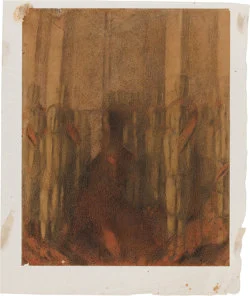
Untitled (Studie zu einer archäologischen Ausgrabung einer Grabstätte), 1913-1917
oil on paper
21.9 x 27.8 cm

Otto Meyer-Amden
Untitled (Skizze zu einer archäologischen Ausgrabung einer Grabstätte), 1913-1917
pencil on paper (vellum)
11 x 14 cm

Otto Meyer-Amden
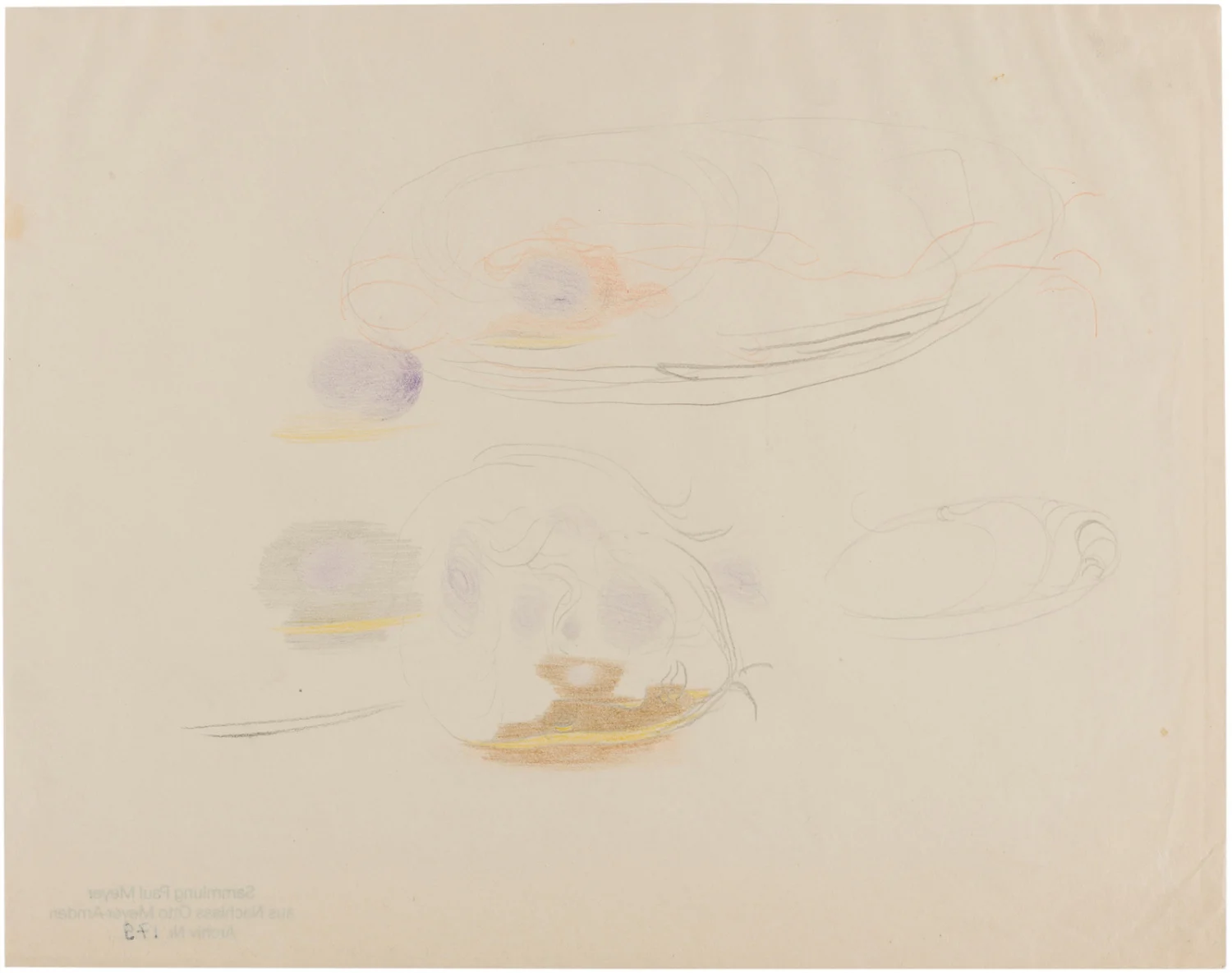
Untitled (Studie zu einer archäologischen Ausgrabung einer Grabstätte), nd
pencil and colored pencil on paper
18.8 x 27.8 cm

Otto Meyer-Amden
Untitled (Studie zu einer archäologischen Ausgrabung einer Grabstätte), 1913-1917
oil on canvas
30 x 36 cm

Otto Meyer-Amden
Untitled (Studie zu einer archäologischen Ausgrabung einer Grabstätte), 1913-1917
watercolor and pencil on paper (vellum)
27.8 x 18.7 cm

Otto Meyer-Amden
installation view Herderstraße 16, Berlin 2025

Otto Meyer-Amden
installation view Herderstraße 16, Berlin 2025

Otto Meyer-Amden
installation view Herderstraße 16, Berlin 2025

Otto Meyer-Amden
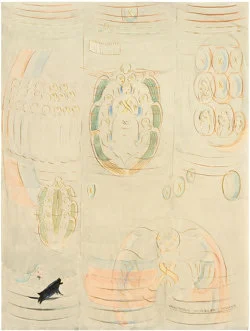
Untitled (Tagebuchblatt),
1928-1932
watercolor on paper
27.4 x 21.8 cm

Otto Meyer-Amden
installation view Herderstraße 16, Berlin 2025

Otto Meyer-Amden
Untitled (Studie zu Schlafsaal), ca. 1918
ink, pencil and colored pencil
on parchment paper
16.7 x 21.5 cm

Otto Meyer-Amden
Untitled (Studie zu Schlafsaal), ca. 1918
ink, pencil and colored pencil
on parchment paper
17 x 21.5 cm

Otto Meyer-Amden
installation view Herderstraße 16, Berlin 2025

Otto Meyer-Amden
Untitled (Studie zu Erwartung, Glasfenster im Zwinglihaus),
ca. 1923-1925
pencil and colored pencil
on paper
16 x 16 cm

Otto Meyer-Amden
Untitled (Drei Knaben in zwei Kirchbänken), 1923-1924
pencil on paper
16 x 14 cm
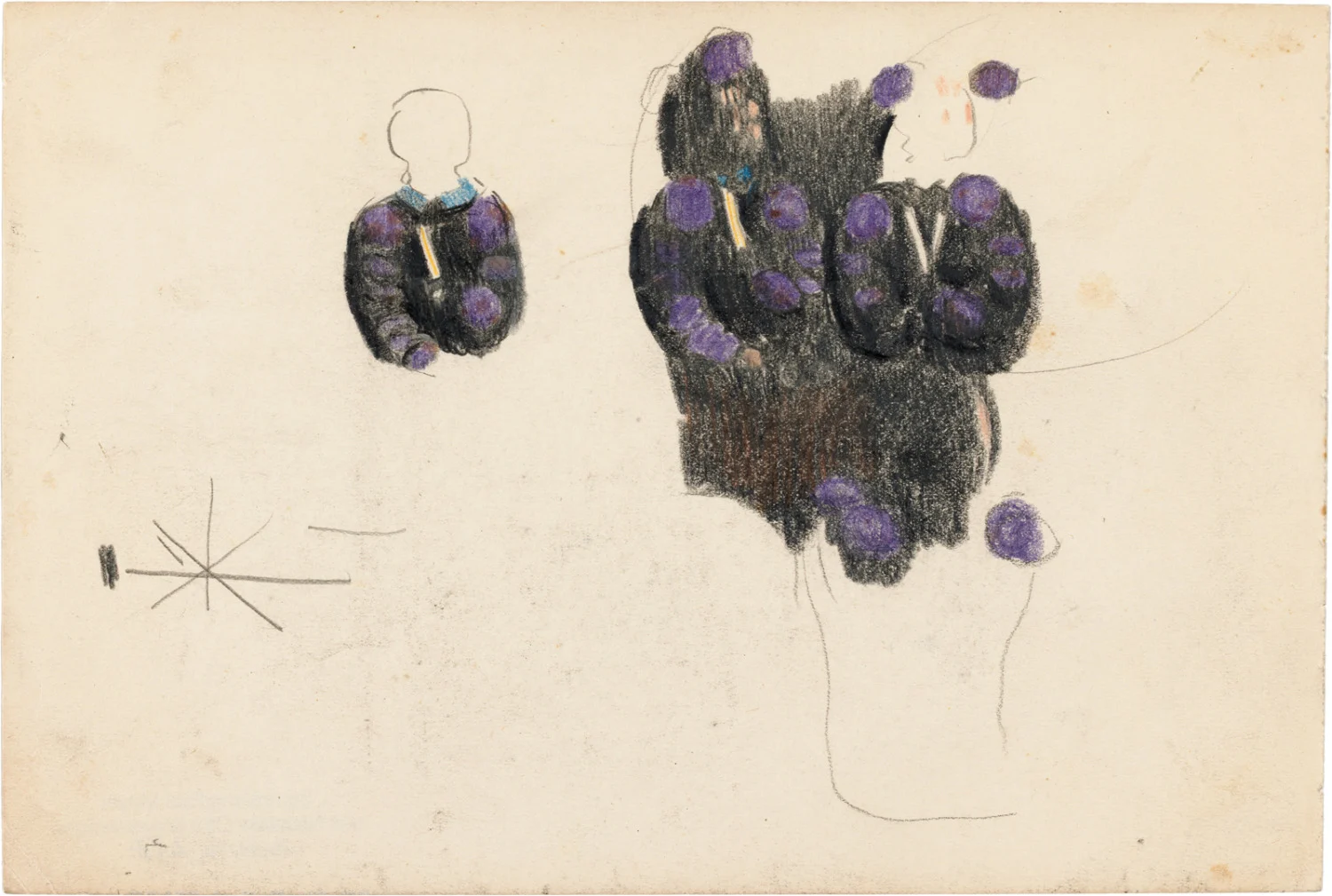
Otto Meyer-Amden
Untitled (Studie für drei Figuren), ca. 1922
colored pencil and pencil
on paper (vellum)
16 x 23.8 cm

Otto Meyer-Amden
installation view Herderstraße 16, Berlin 2025

Otto Meyer-Amden
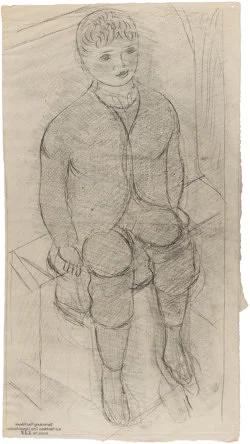
Untitled (Knabe in Kirchbank), 1923-1924
pencil on paper
44.5 x 24.5 cm

Otto Meyer-Amden
Untitled (Drei Knaben in zwei Kirchbänken), 1923-1924
pencil on paper
30.5 x 22 cm

Otto Meyer-Amden
installation view Herderstraße 16, Berlin 2025
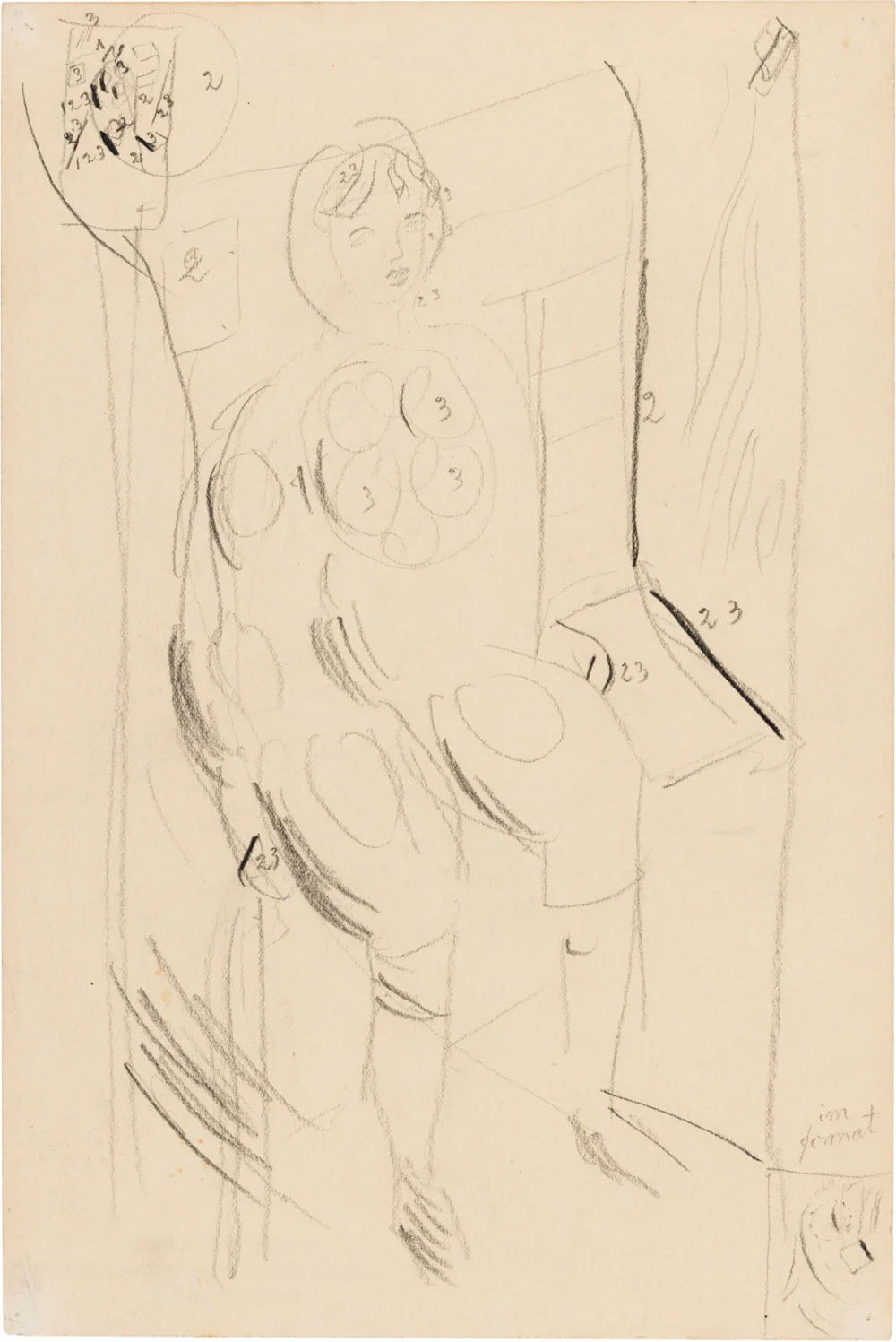
Otto Meyer-Amden
Untitled (Studie zu Knabe in Kirchbank), 1923-1924
colored pencil and pencil
on paper (vellum)
17.8 x 12 cm

Otto Meyer-Amden
Untitled (Studie zu Knabe in Kirchbank), 1923-1924
colored pencil and pencil
on paper (vellum)
17.8 x 12 cm
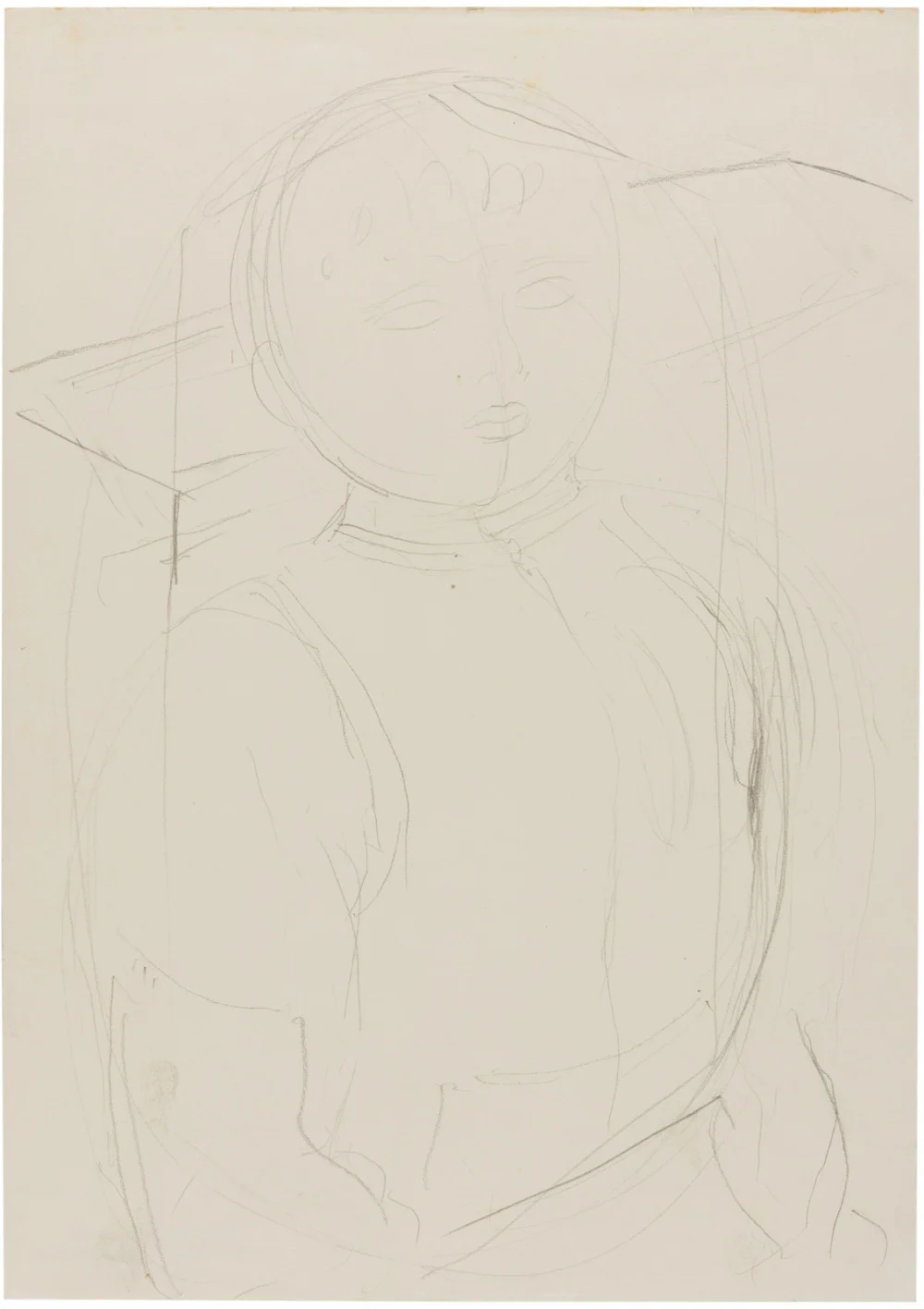
Otto Meyer-Amden
Untitled (Studie Brustbild zu Knabe auf Kirchbank),
1923-1924
pencil on paper (vellum)
29.8 x 20.8 cm
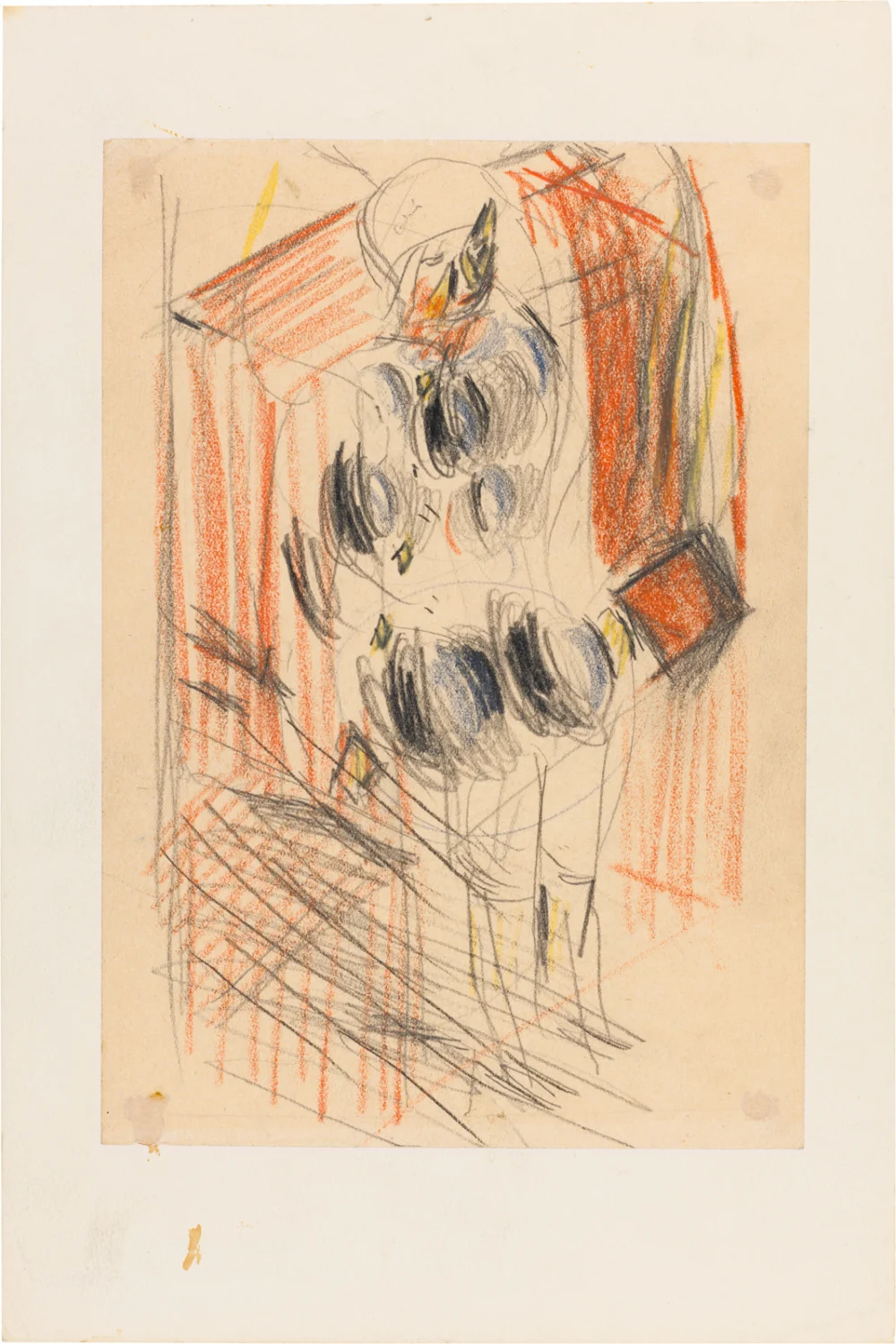
Otto Meyer-Amden
Untitled (Studie zu Knabe in Kirchbank), 1923-1924
colored pencil and pencil
on paper (vellum)
23,8 x 15,8 cm
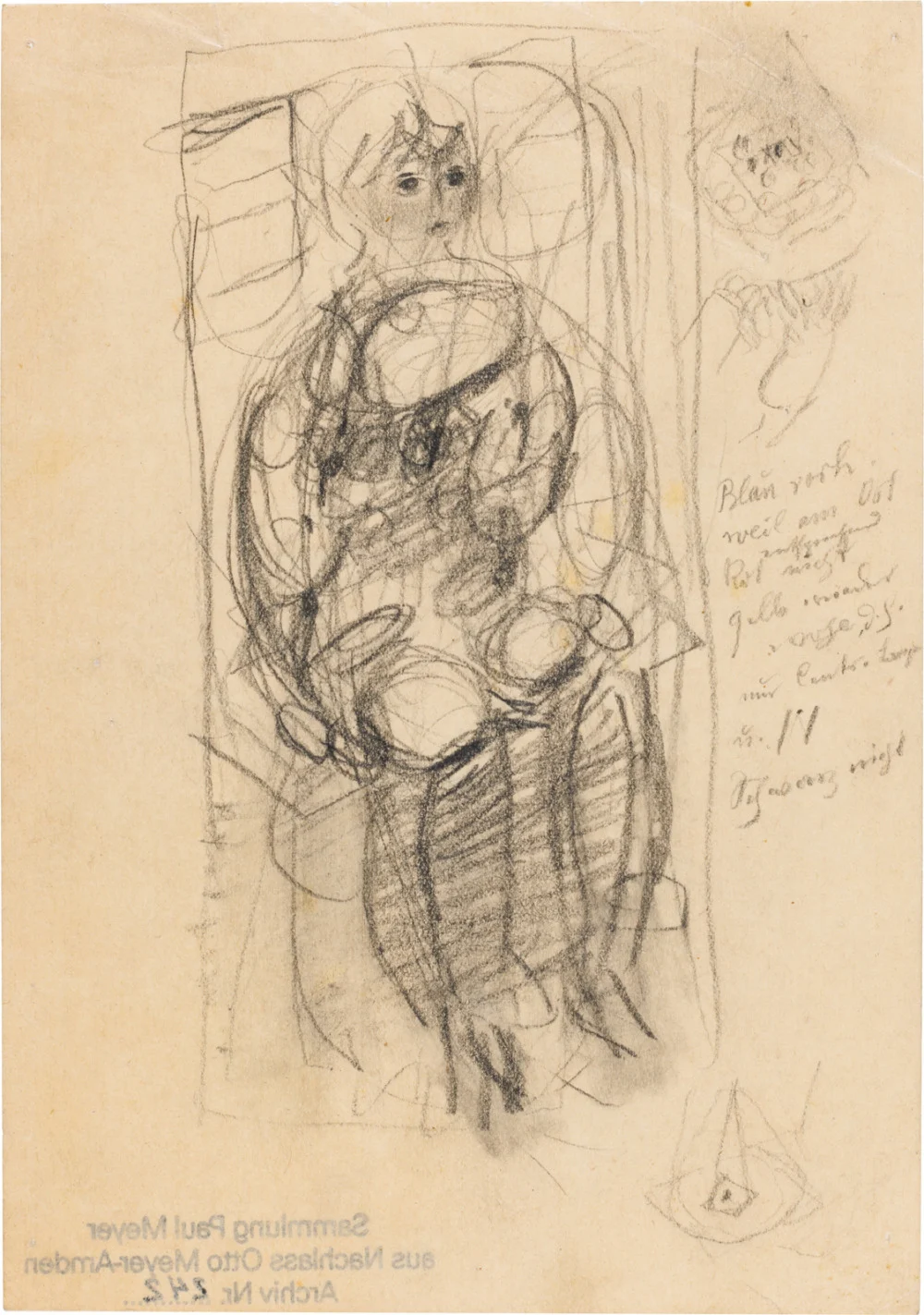
Otto Meyer-Amden
Untitled (Studie zu Knabe in Kirchbank), 1923-1924
colored pencil and pencil
on paper (vellum)
17.8 x 12 cm

Otto Meyer-Amden
Untitled (Studie zu Knabe in Kirchbank), 1923-1924
colored pencil and pencil
on paper (vellum)
17.8 x 12 cm

Otto Meyer-Amden
Untitled (Studie zu Rekrutierung), ca. 1920
pencil on paper
28 x 18.7 cm

Otto Meyer-Amden
installation view Herderstraße 16, Berlin 2025

Otto Meyer-Amden
Untitled (Antworten. Gesamtkomposition II), nd
colored pencil on paper
20 x 21.3 cm

Otto Meyer-Amden
Untitled (Händehochhaltende, Antworten, Detail), nach 1919
oil on cardstock
15.4 x 16.5 cm
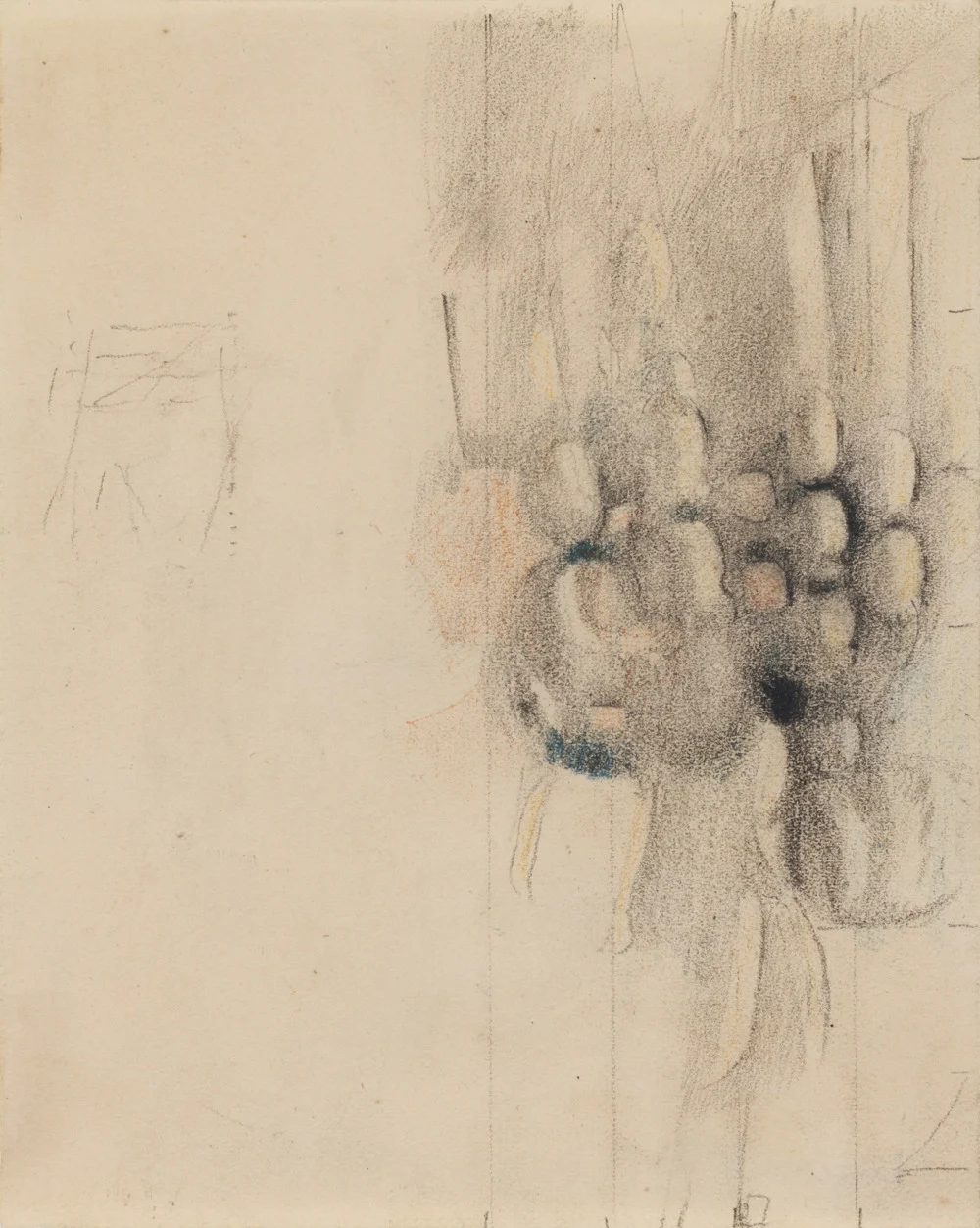
Otto Meyer-Amden
Untitled (Studie zu Eintritt in Klassenzimmer), nach 1920
pencil and charcoal on paper
13.7 x 11 cm

Otto Meyer-Amden
Untitled (Im Schulzimmer), nd
colored pencil on paper
21 x 17 cm

Otto Meyer-Amden
Untitled (Gesamtkomposition III), nd
pencil and colored pencil
on paper
20.5 x 17 cm

Otto Meyer-Amden
installation view Herderstraße 16, Berlin 2025

Otto Meyer-Amden
Untitled (Knabenakt),
ca. 1913-1917
pencil on paper
25 x 16.7 cm

Otto Meyer-Amden
Untitled (Nackter Märtyrer-Knabe), ca. 1913-1917
pencil on paper
25 x 16.7 cm
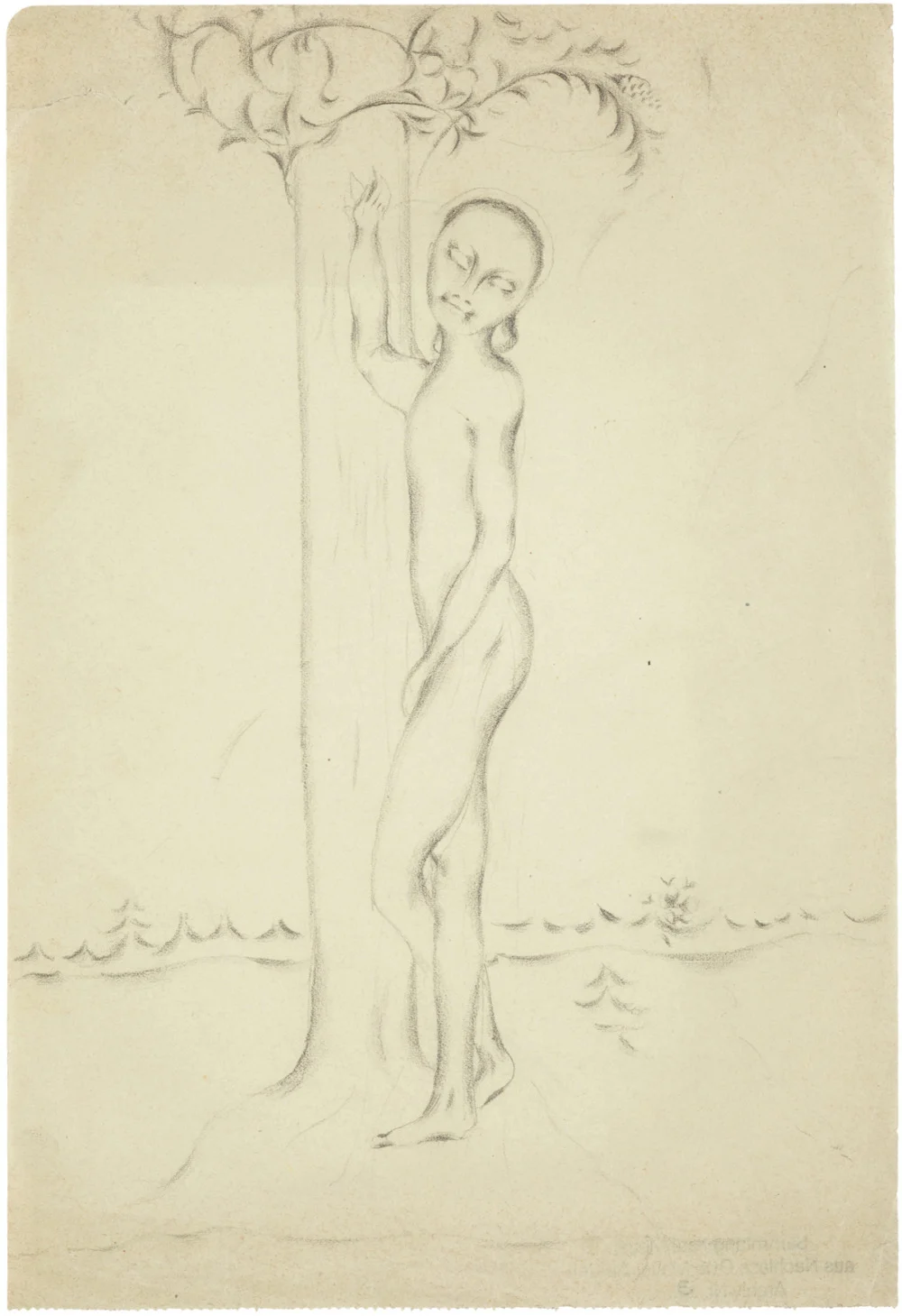
Otto Meyer-Amden
Untitled (Stehender Knabenakt, an einen Baum gelehnt),
ca. 1913-1917
pencil on paper
25 x 17 cm

Otto Meyer-Amden
Untitled (Knabenakt),
ca. 1913-1917
pencil on paper, mounted on cardstock
25 x 16.7 cm

Otto Meyer-Amden
Untitled (Nackter Märtyrer-Knabe), ca. 1913-1917
pencil on paper
25.2 x 21.9 cm

Otto Meyer-Amden
installation view Herderstraße 16, Berlin 2025

Otto Meyer-Amden
Untitled (Knabenakt), ca. 1920
pencil on parchment paper
30.8 x 20.9 cm

Otto Meyer-Amden
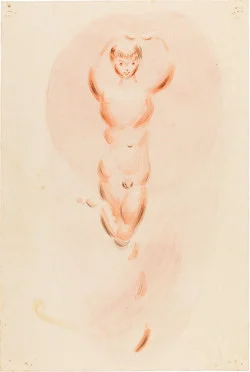
Untitled (Studie zu tänzerischen Jünglingsakten), 1925
pencil on paper, mounted on cardstock
22.2 x 16.2 cm

Otto Meyer-Amden
Untitled (Knabenakt und Kopfstudien), ca. 1915-1917
pencil on paper
27.8 x 21.8 cm
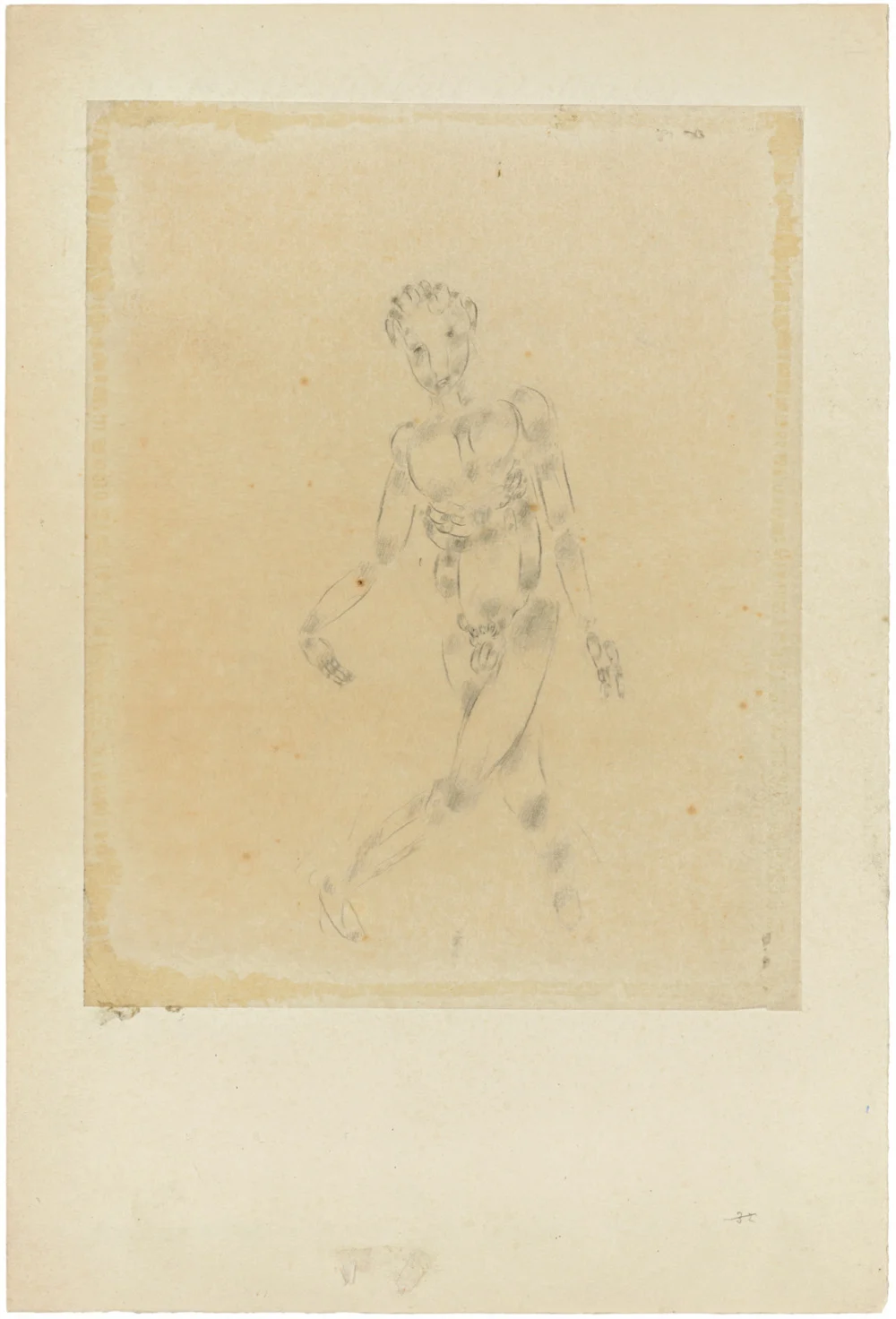
Otto Meyer-Amden
Untitled (Studie zu tänzerischen Jünglingsakten), 1925
pencil on paper, mounted on cardstock
30.9 x 20.9 cm
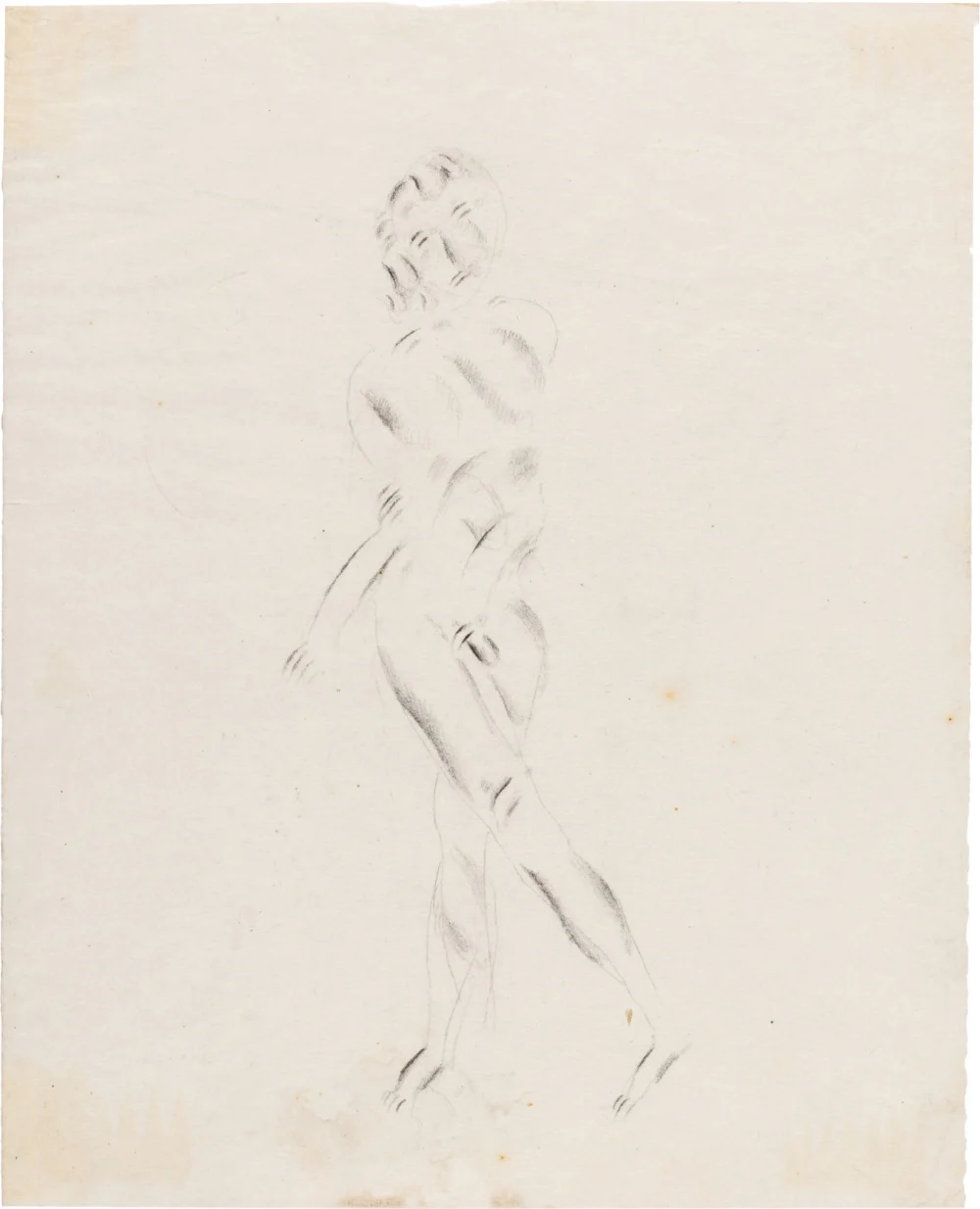
Otto Meyer-Amden
Untitled (Seraphischer, tänzerischer Knabenakt),
1913-1917
pencil on paper
21 x 16.9 cm
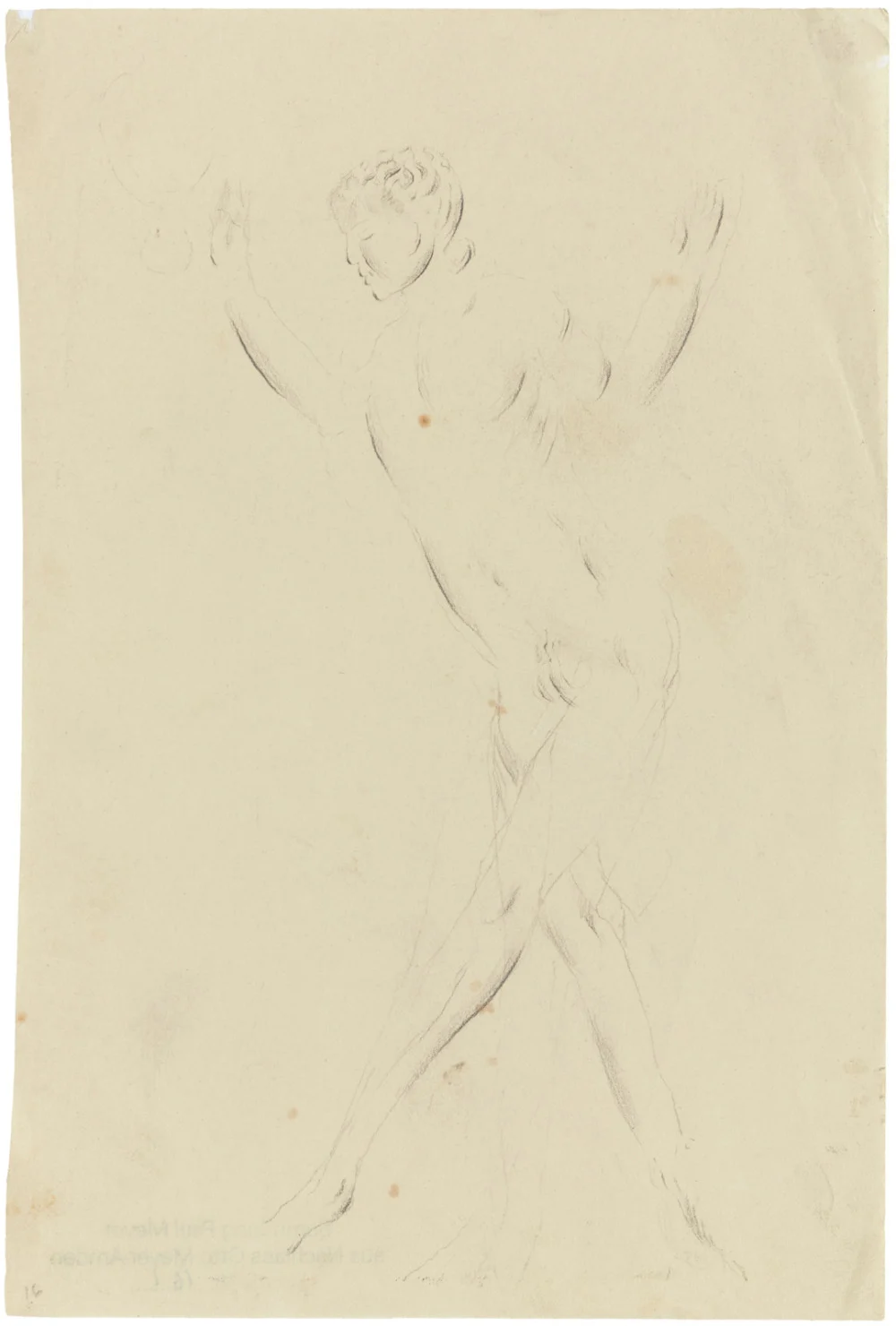
Otto Meyer-Amden
Untitled (Studie zu tänzerischen Jünglingsakten), um 1925
pencil on paper
21.7 x 14.7 cm
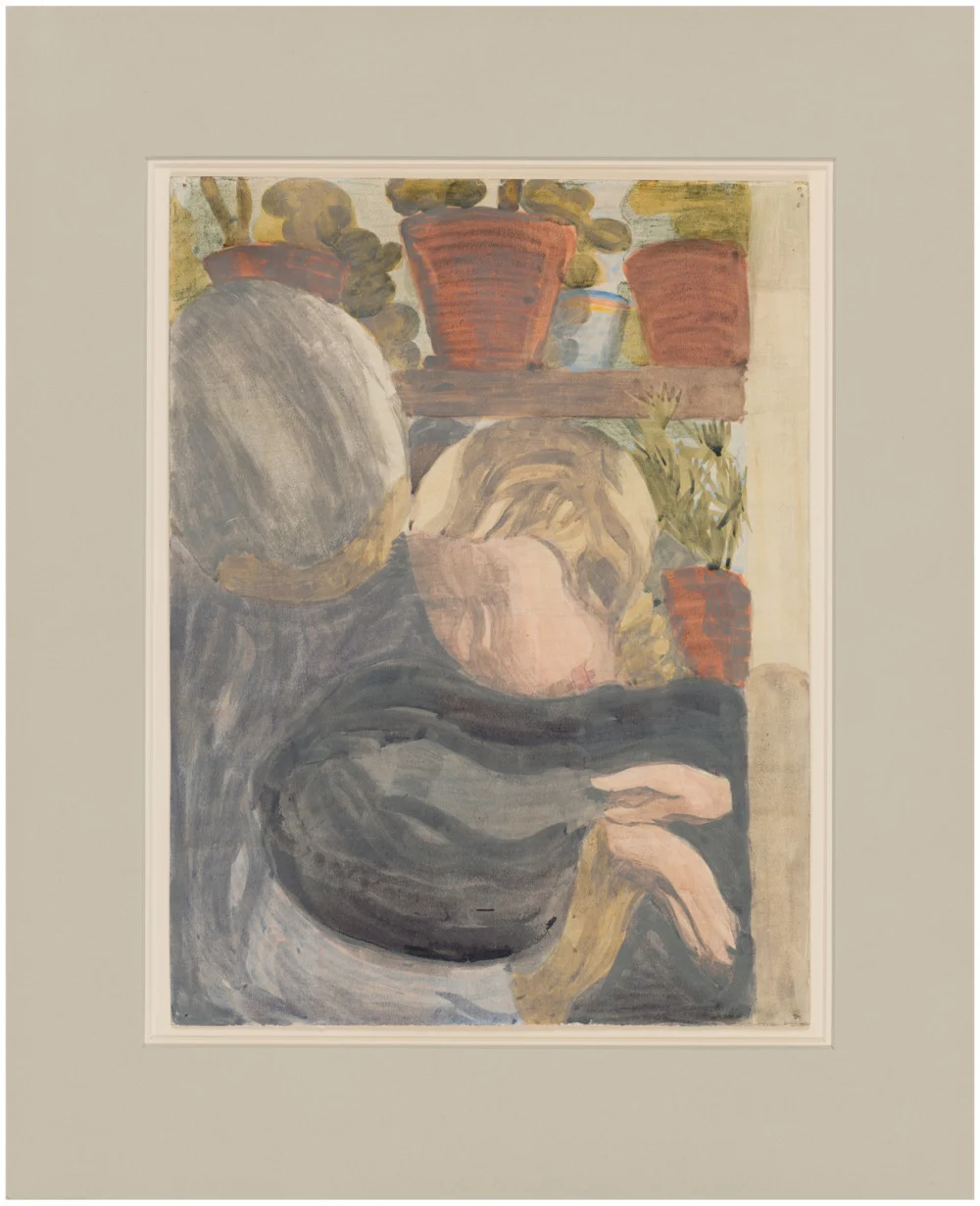
Otto Meyer-Amden
Untitled (Mutter mit Kind, die einen Stoff befühlen),
ca. 1920-1925
watercolor on paper
32.8 x 25 cm

Otto Meyer-Amden
installation view Herderstraße 16, Berlin 2025
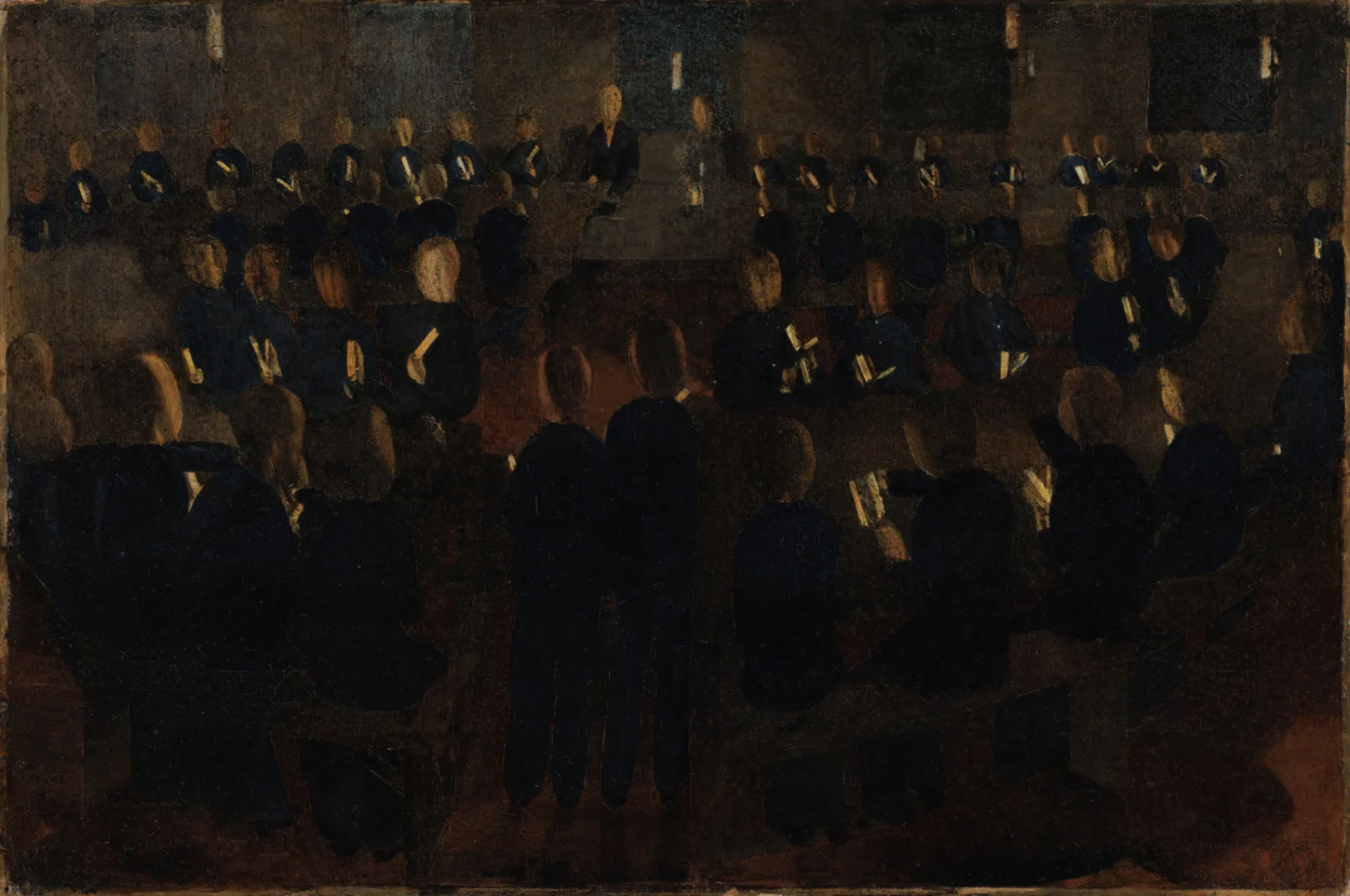
Otto Meyer-Amden
Untitled (Vorbereitung, Morgenandacht im Waisenhaus), ca. 1922
oil on cardstock
23.5 x 35.5 cm

Otto Meyer-Amden
installation view Herderstraße 16, Berlin 2025
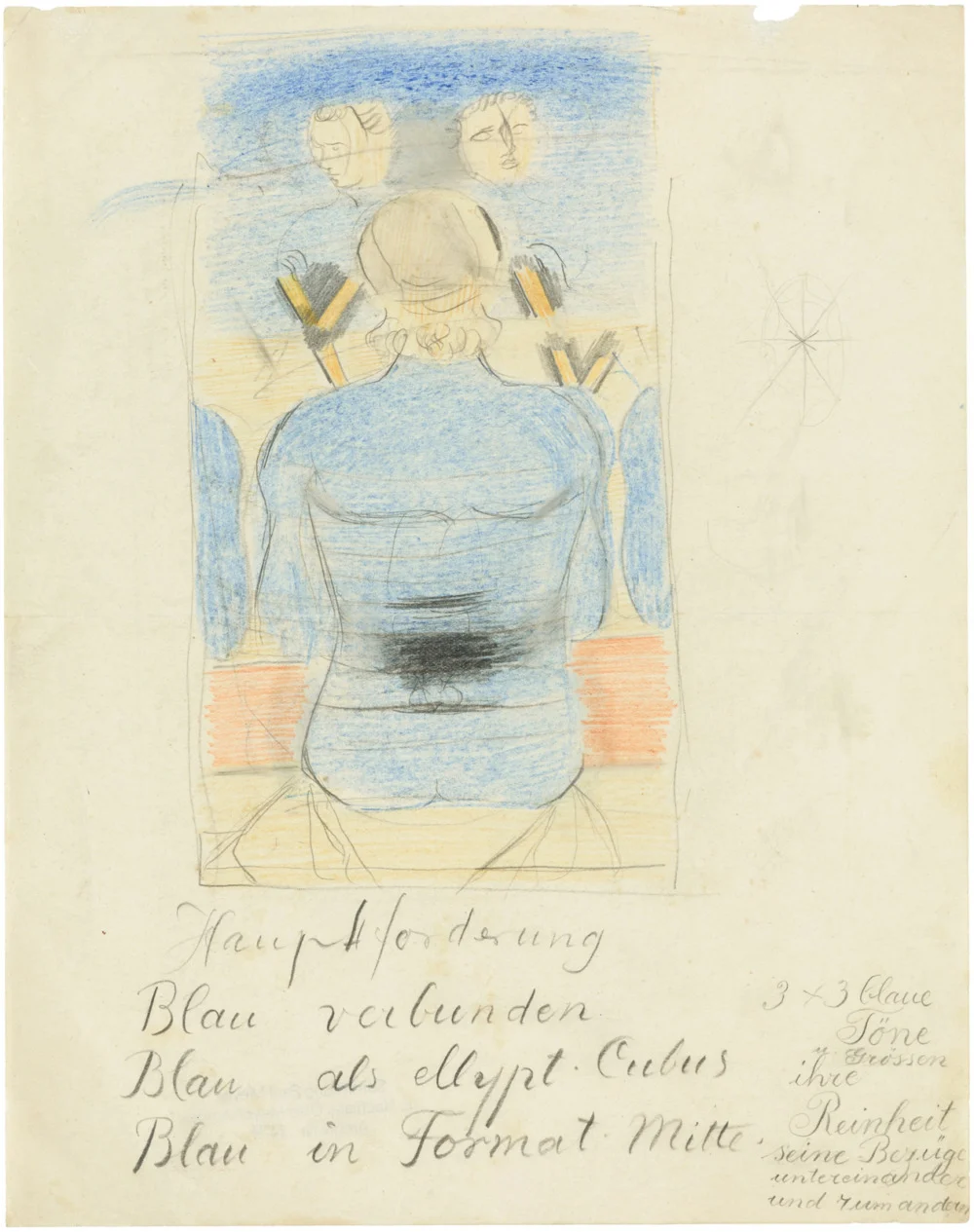
Otto Meyer-Amden
Untitled (Studie zu Vorbereitung), ca. 1925-1928
pencil and colored pencil
on paper
27.5 x 21.7 cm

Otto Meyer-Amden
Untitled (Zwei Knaben mit Buch), nd
ink and colored pencil on paper
17.4 x 11 cm
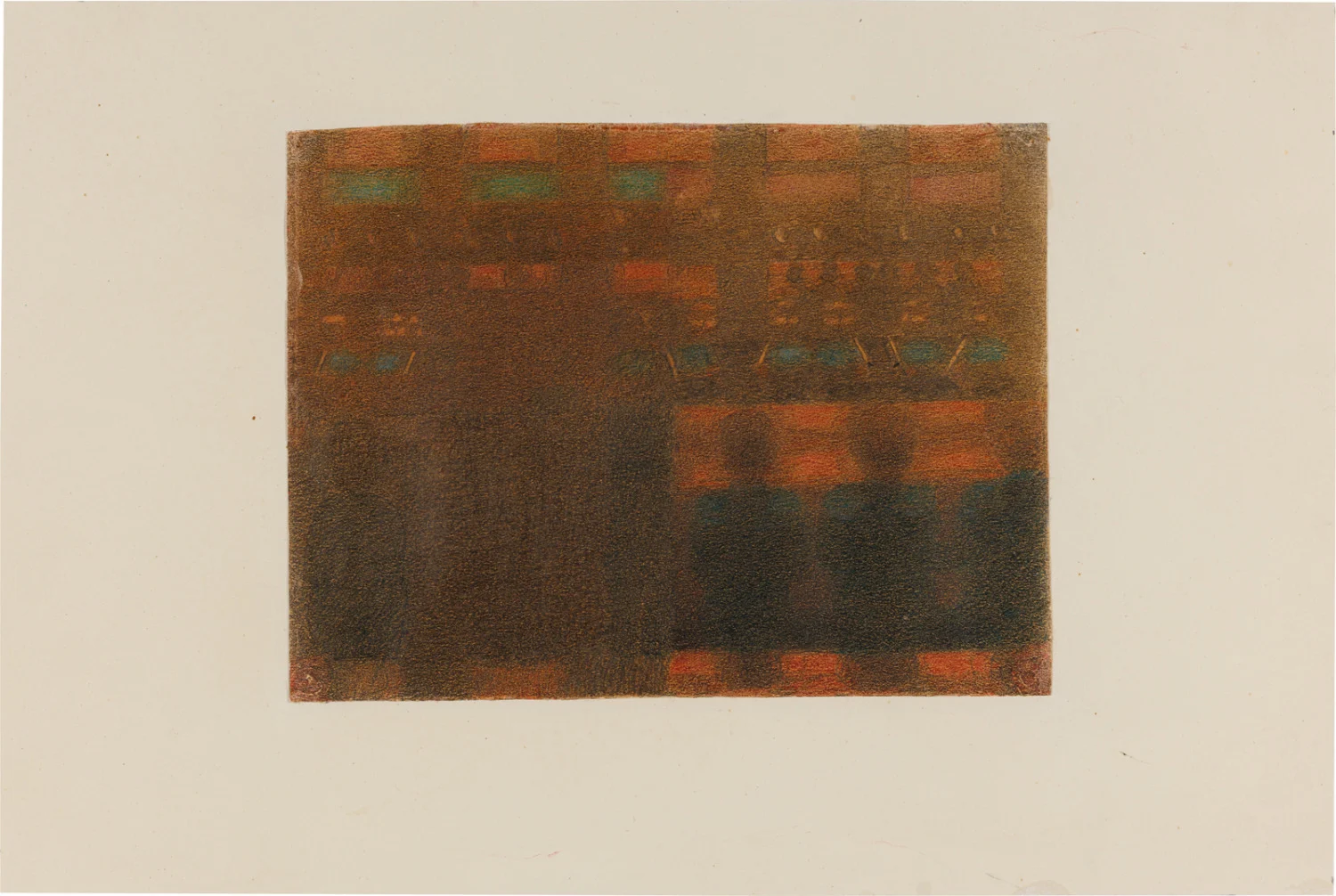
Otto Meyer-Amden
Untitled (Teilstudie zum Thema Vorbereitung), ca. 1919
colored pencil on paper
paper: 24 x 36 cm
image: 15.5 x 20.5 cm

Otto Meyer-Amden
Untitled (Studie zu Vorbereitung), 1932
crayon on paper
50.5 x 70.3 cm

Otto Meyer-Amden
installation view Herderstraße 16, Berlin 2025
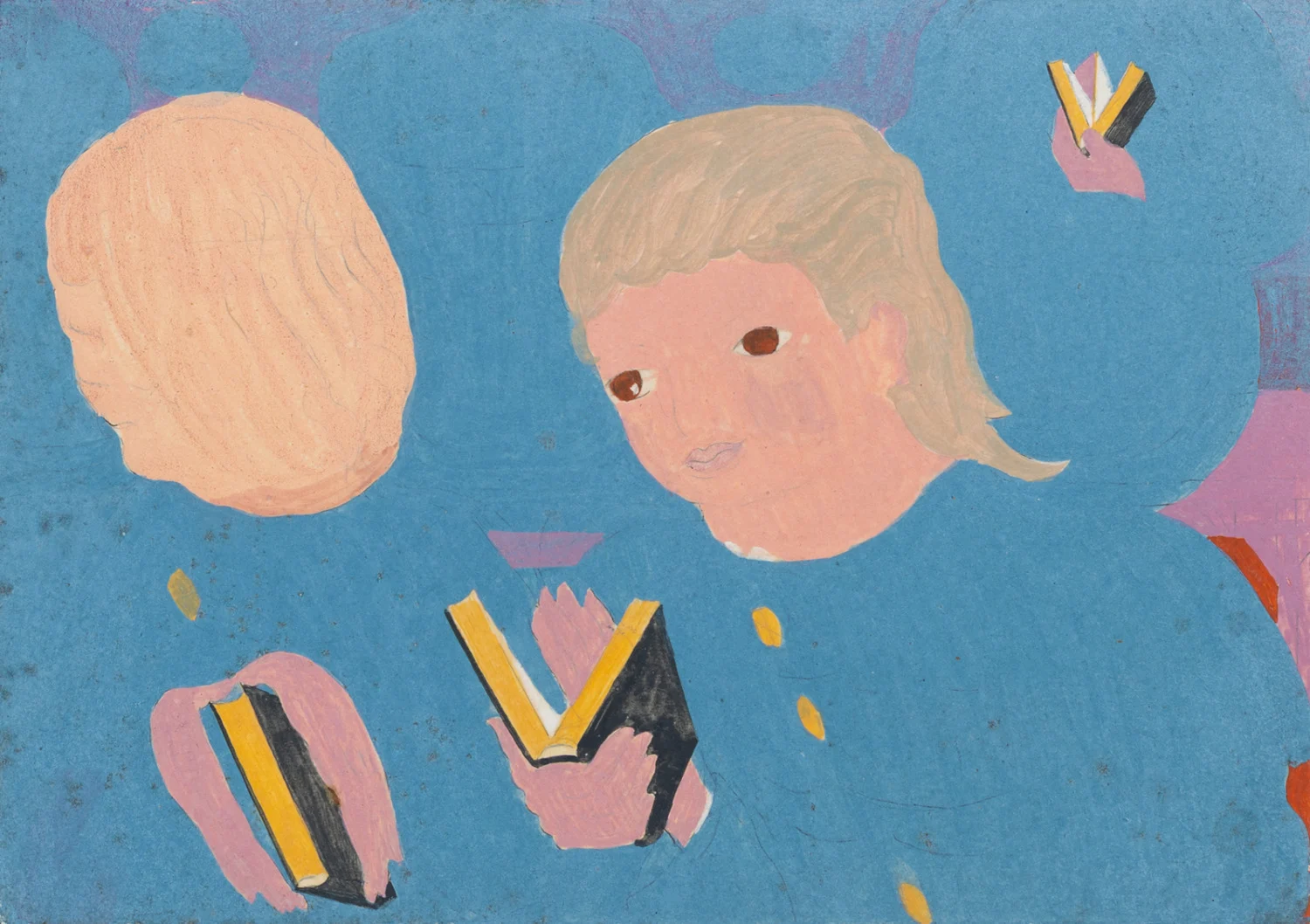
Otto Meyer-Amden
Untitled (Studie für Vorbereitung, Morgenandacht im Waisenhaus), 1928-1929
oil and pencil on paper
19.7 x 26.7 cm

Otto Meyer-Amden
Untitled (Studie zu Vorbereitung), ca. 1928
oil on cardstock
23 x 23 cm
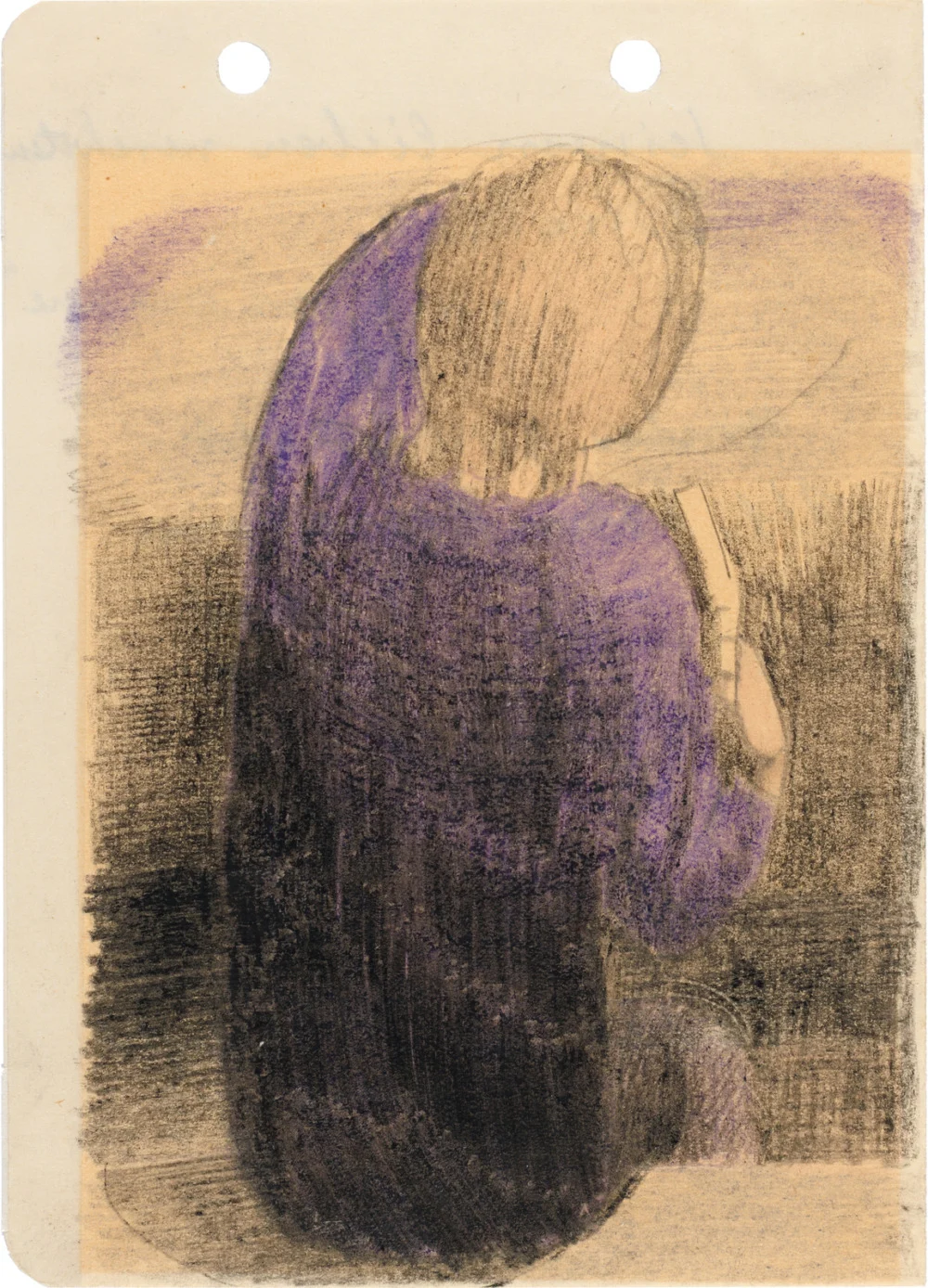
Otto Meyer-Amden
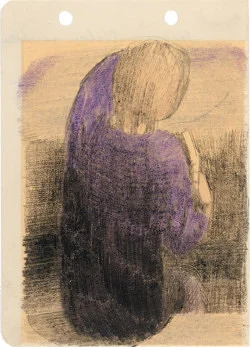
Untitled (Sitzender Knabe von hinten gesehen, rechts in der Hund ein Buch, der linke Arm hochgestreckt), ca. 1930
pencil and colored pencil
on paper
14.6 x 10.5 cm

Otto Meyer-Amden
installation view Herderstraße 16, Berlin 2025
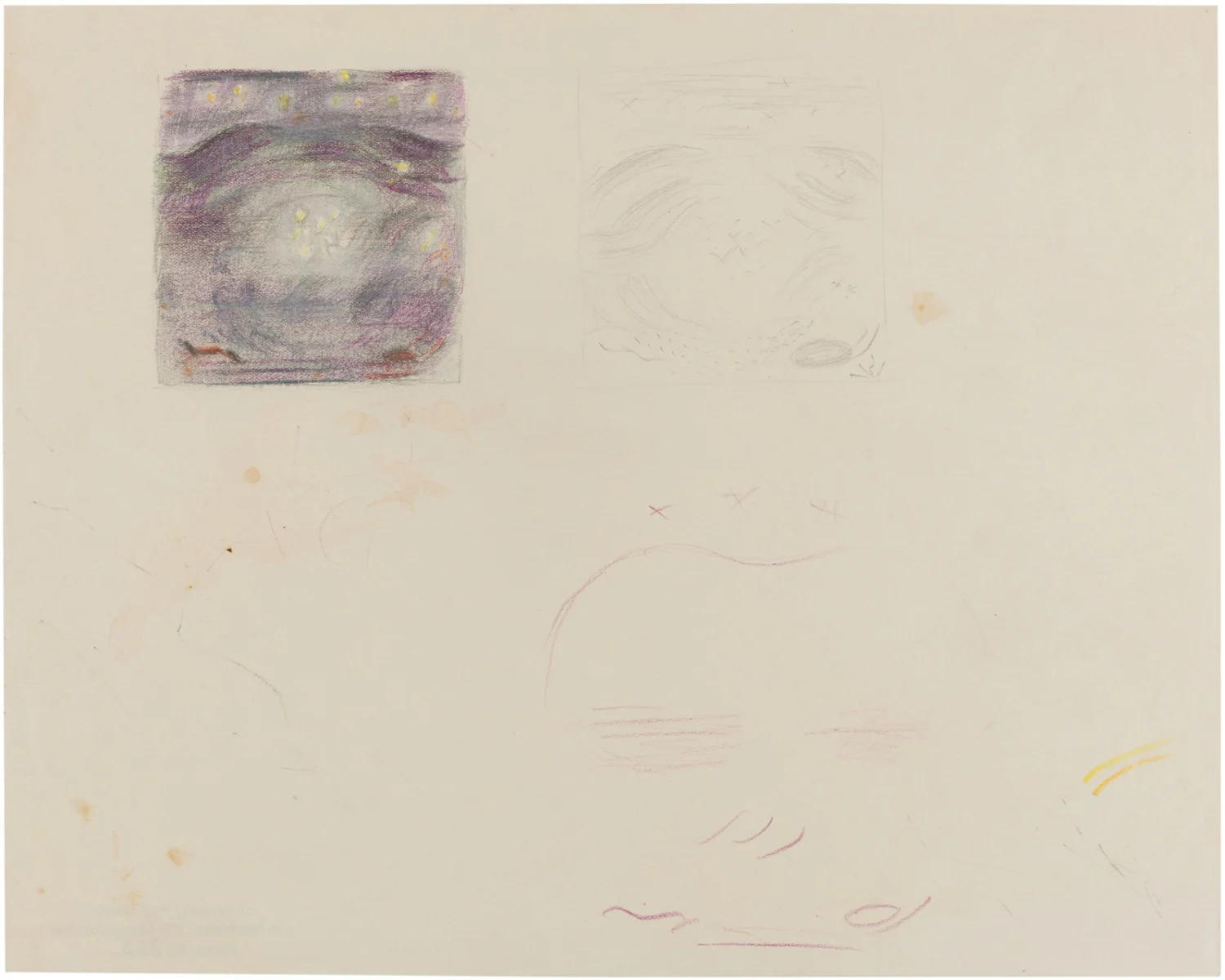
Otto Meyer-Amden
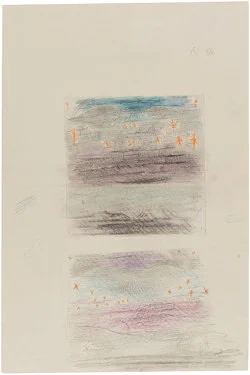
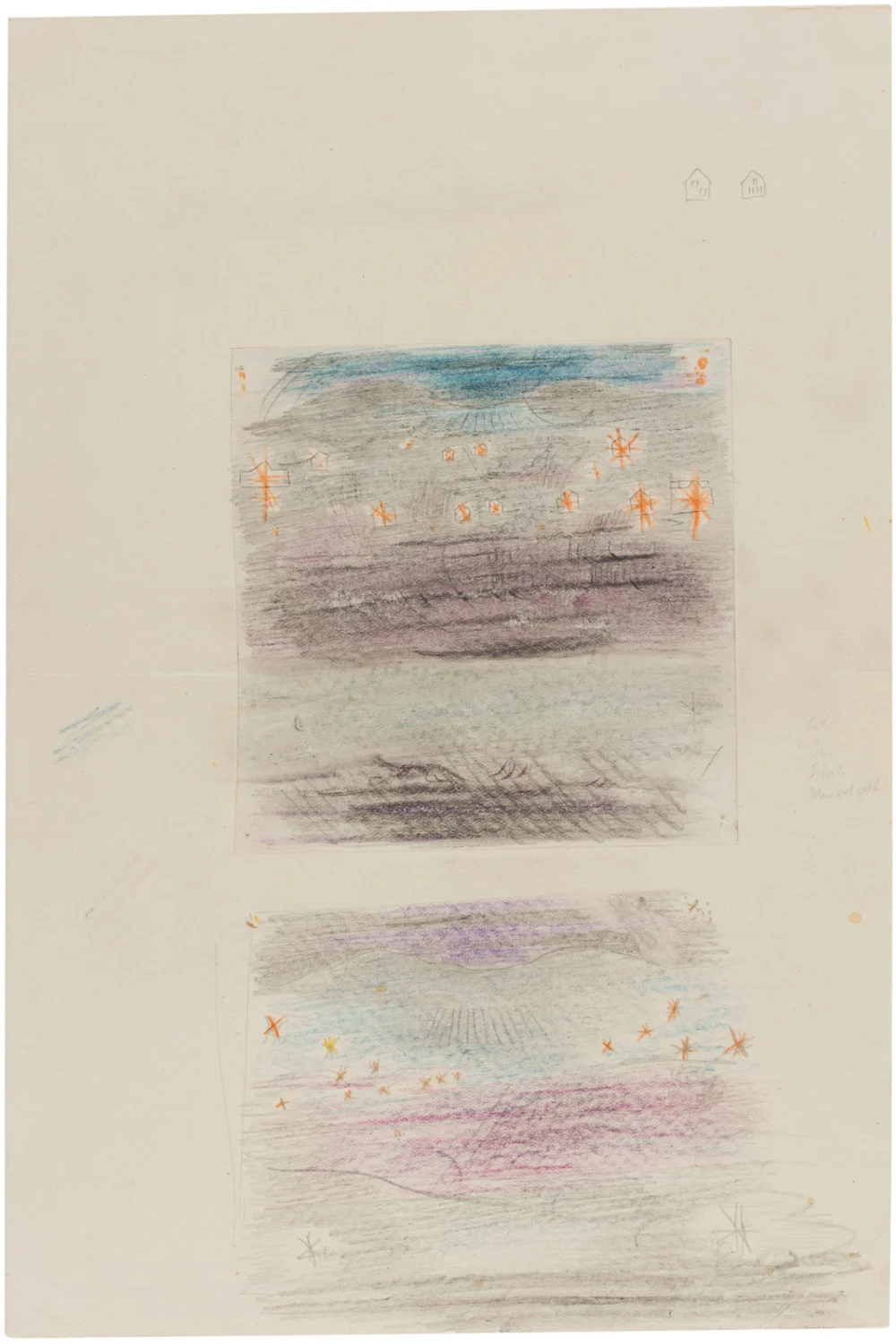
Untitled (Studie zu Sternennacht über dem Walensee), 1931
colored pencil and pencil on paper (vellum)
Otto Meyer-Amden
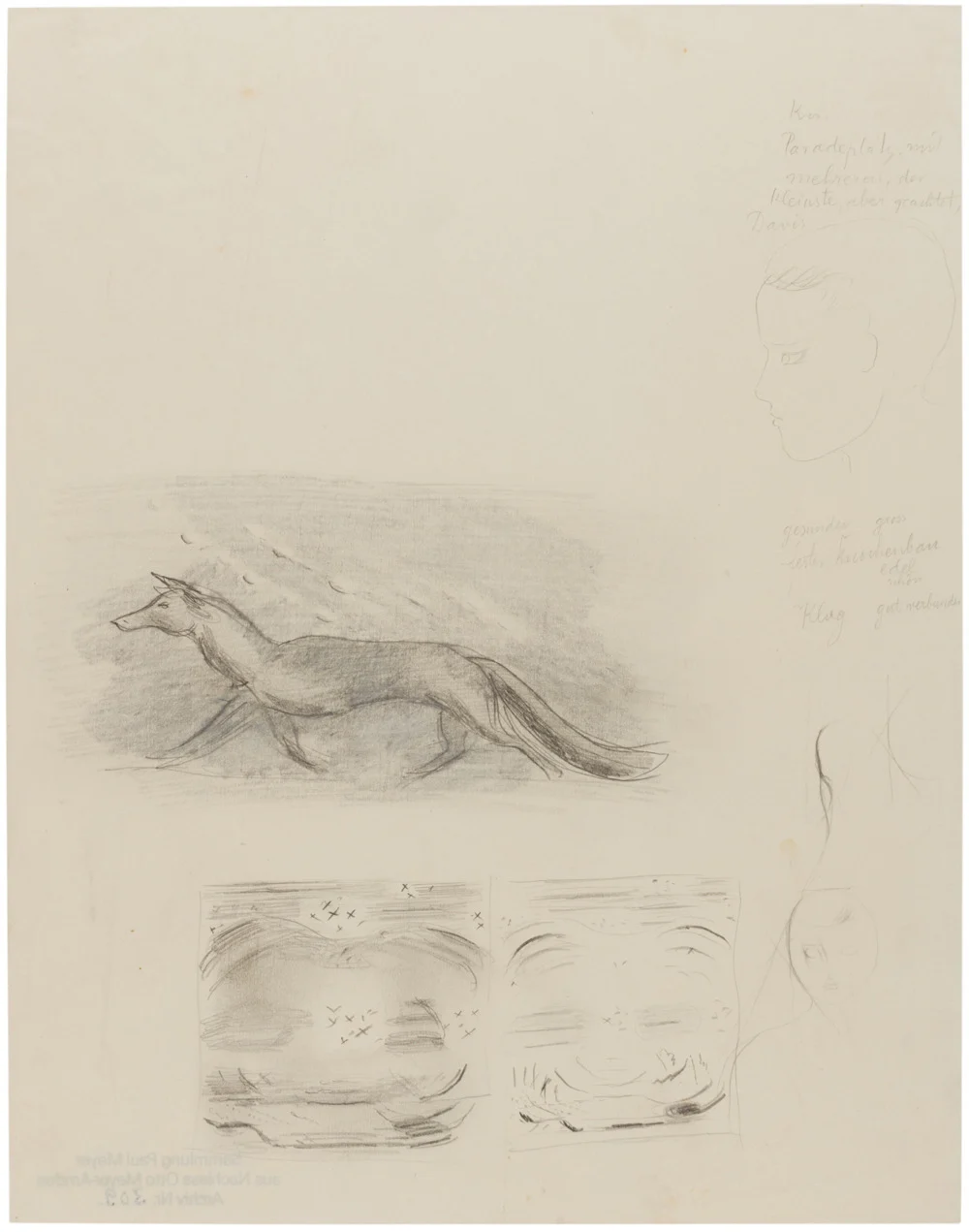
Untitled (Studie zu Sternennacht über dem Walensee), 1931
colored pencil and pencil on paper (vellum)
Otto Meyer-Amden
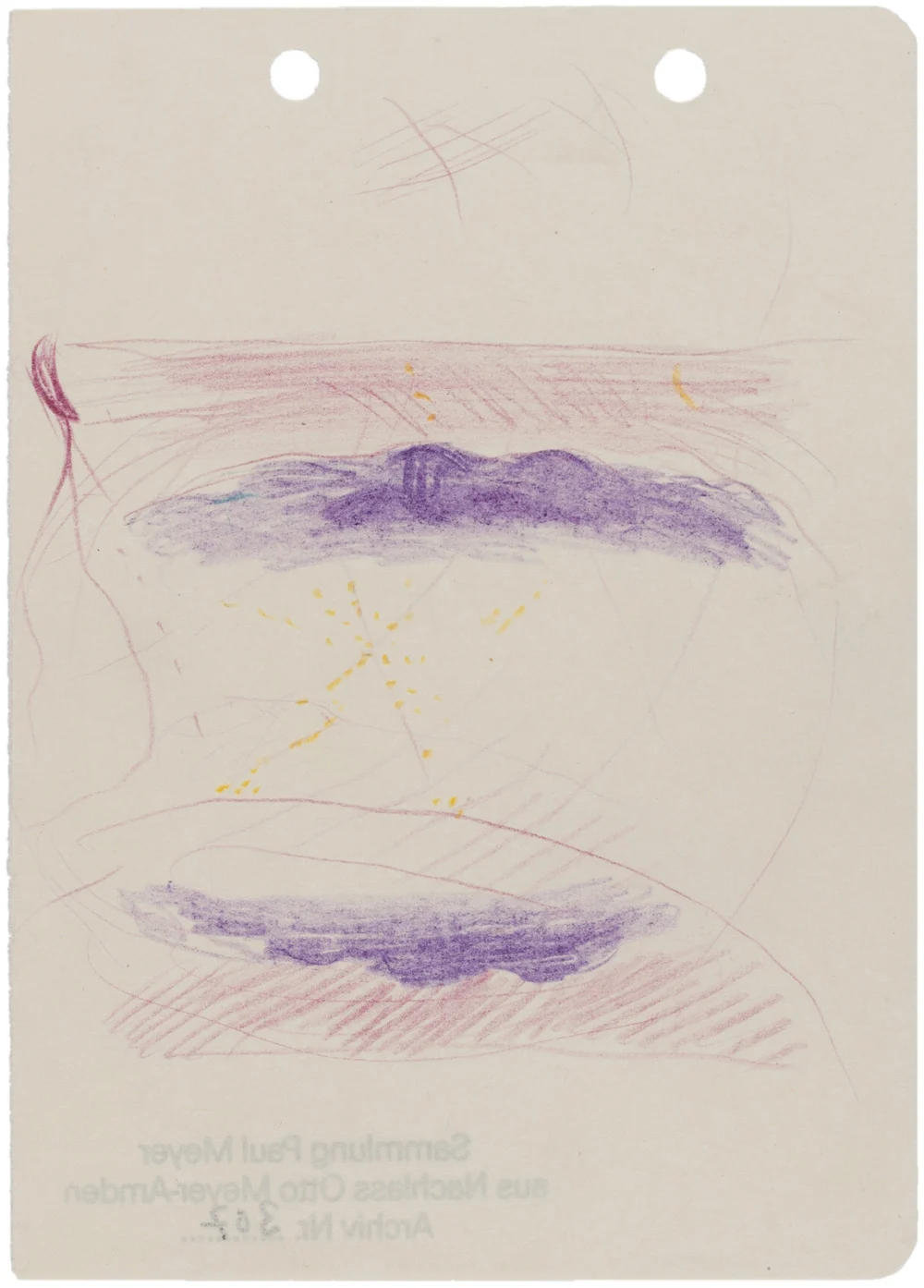
Untitled (Studie zu Sternennacht über dem Walensee), 1931
colored pencil and pencil on paper (vellum)
Otto Meyer-Amden
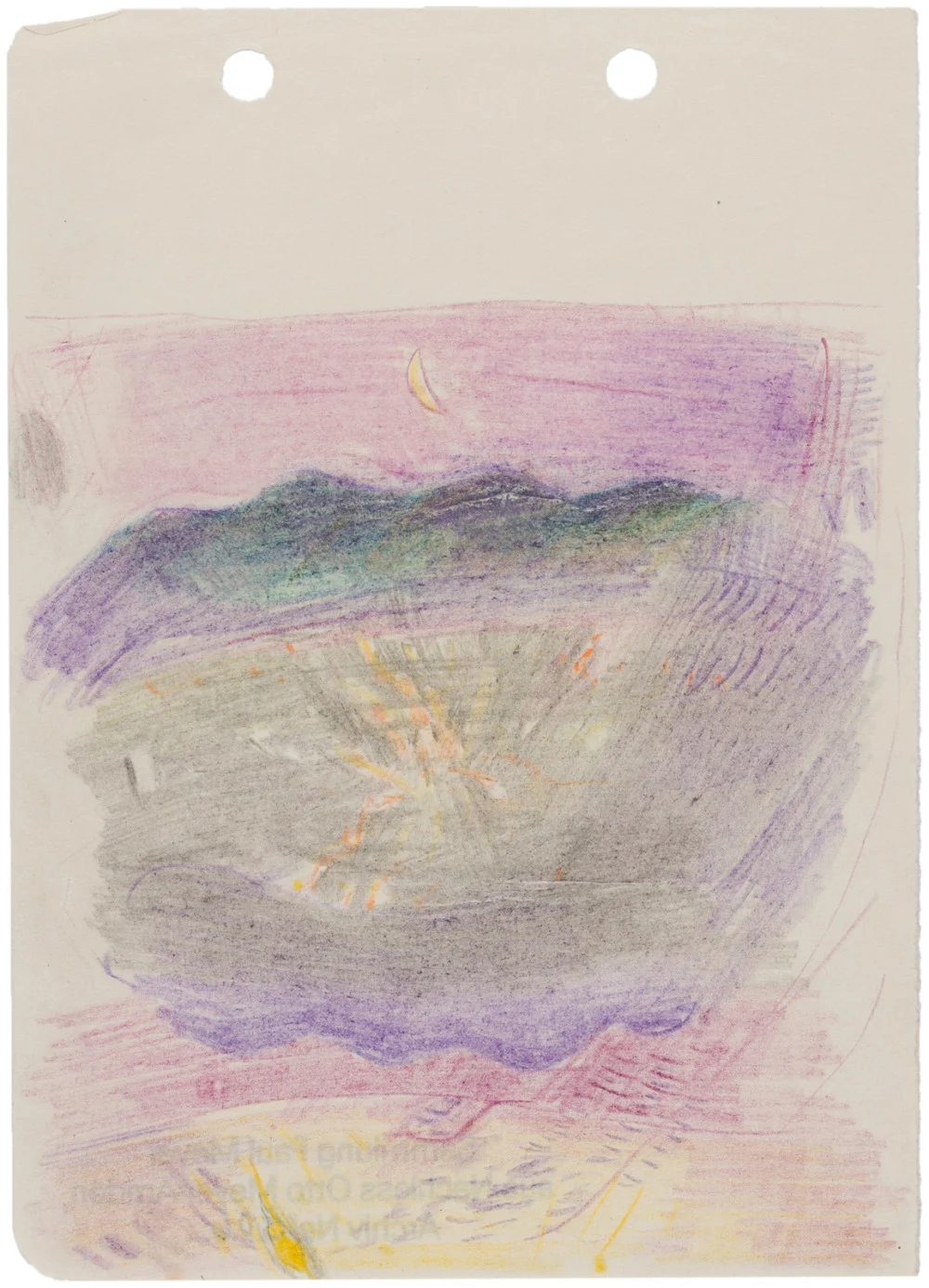
Untitled (Studie zu Sternennacht über dem Walensee), 1931
colored pencil and pencil on paper (vellum)
Otto Meyer-Amden
Untitled (Studie zu Sternennacht über dem Walensee), 1931
colored pencil and pencil on paper (vellum)
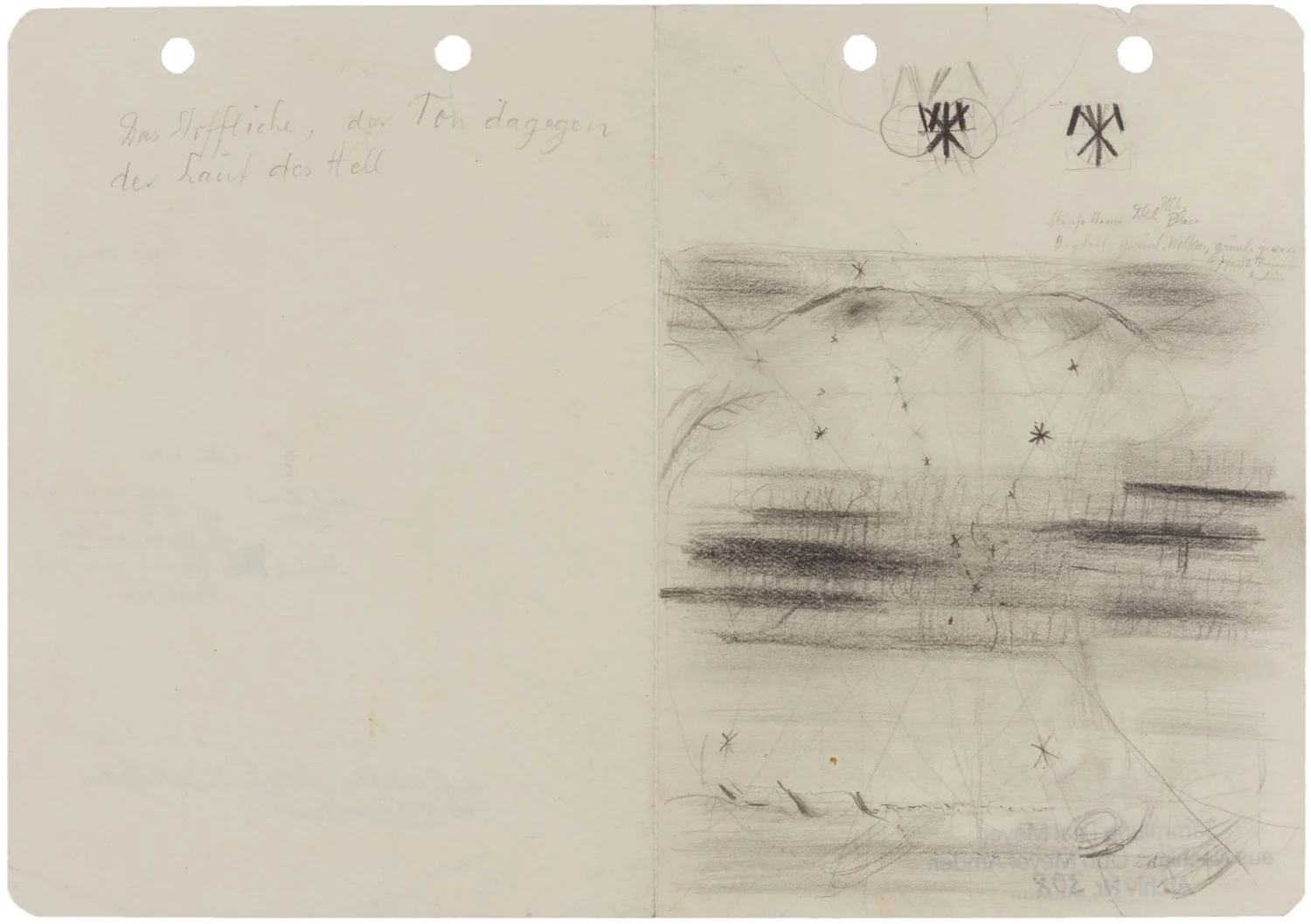
Otto Meyer-Amden
Untitled (Studie zu Sternennacht über dem Walensee), 1931
colored pencil and pencil on paper (vellum)

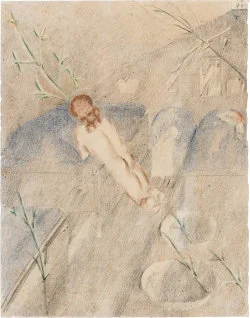
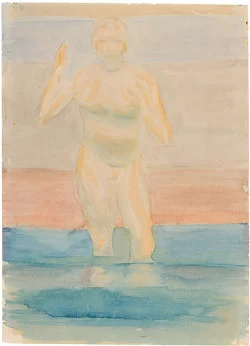
Otto Meyer-Amden
Untitled (Stehender Jüngling im Wasser), ca. 1932
watercolor on paper
25.9 x 18.7 cm
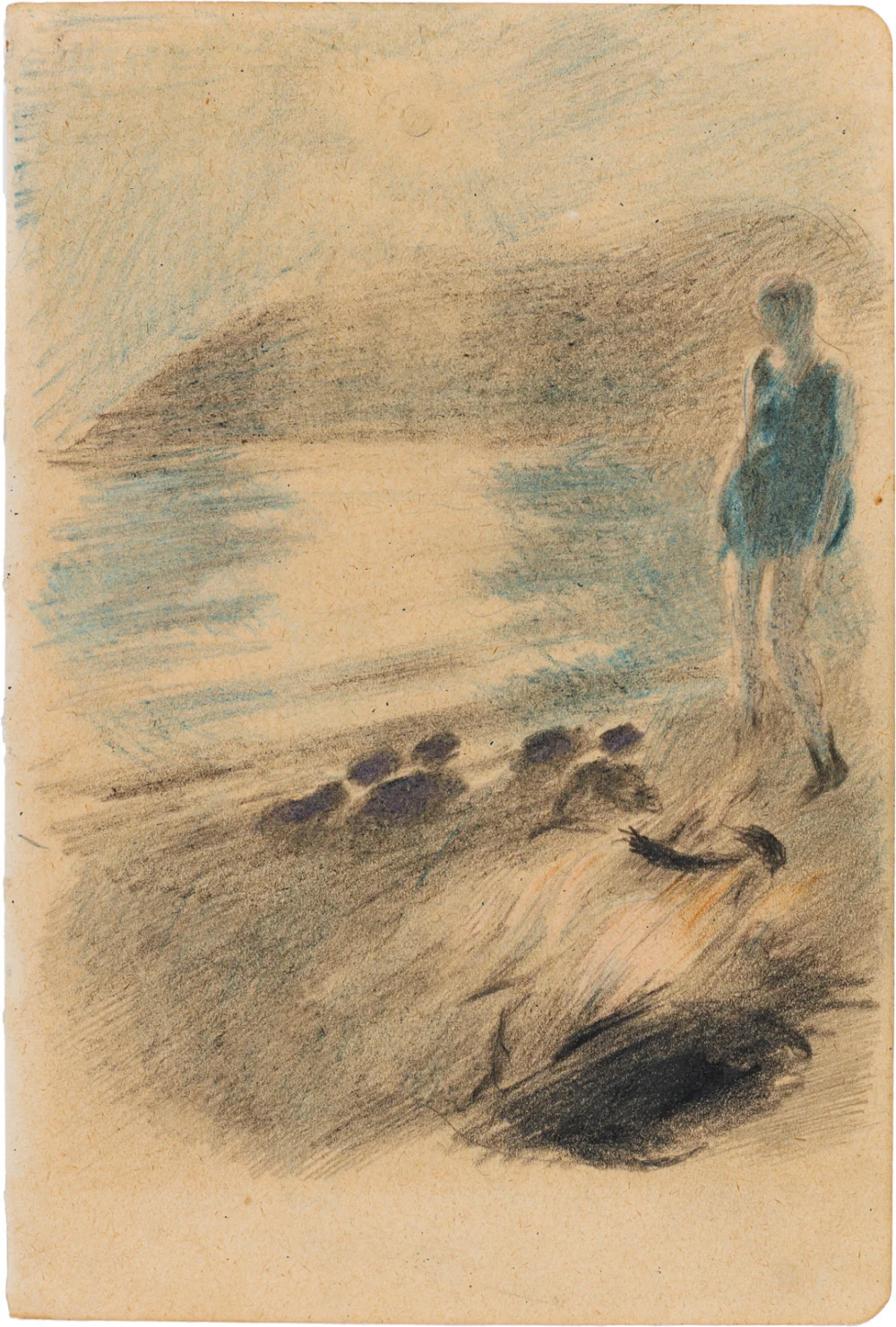
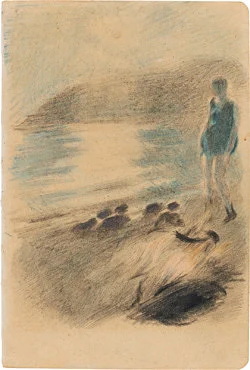
Otto Meyer-Amden
Untitled (Am Walensee bei Betlis), um 1920
pencil and colored pencil
on paper
21 x 14.1 cm

Otto Meyer-Amden
installation view Herderstraße 16, Berlin 2025
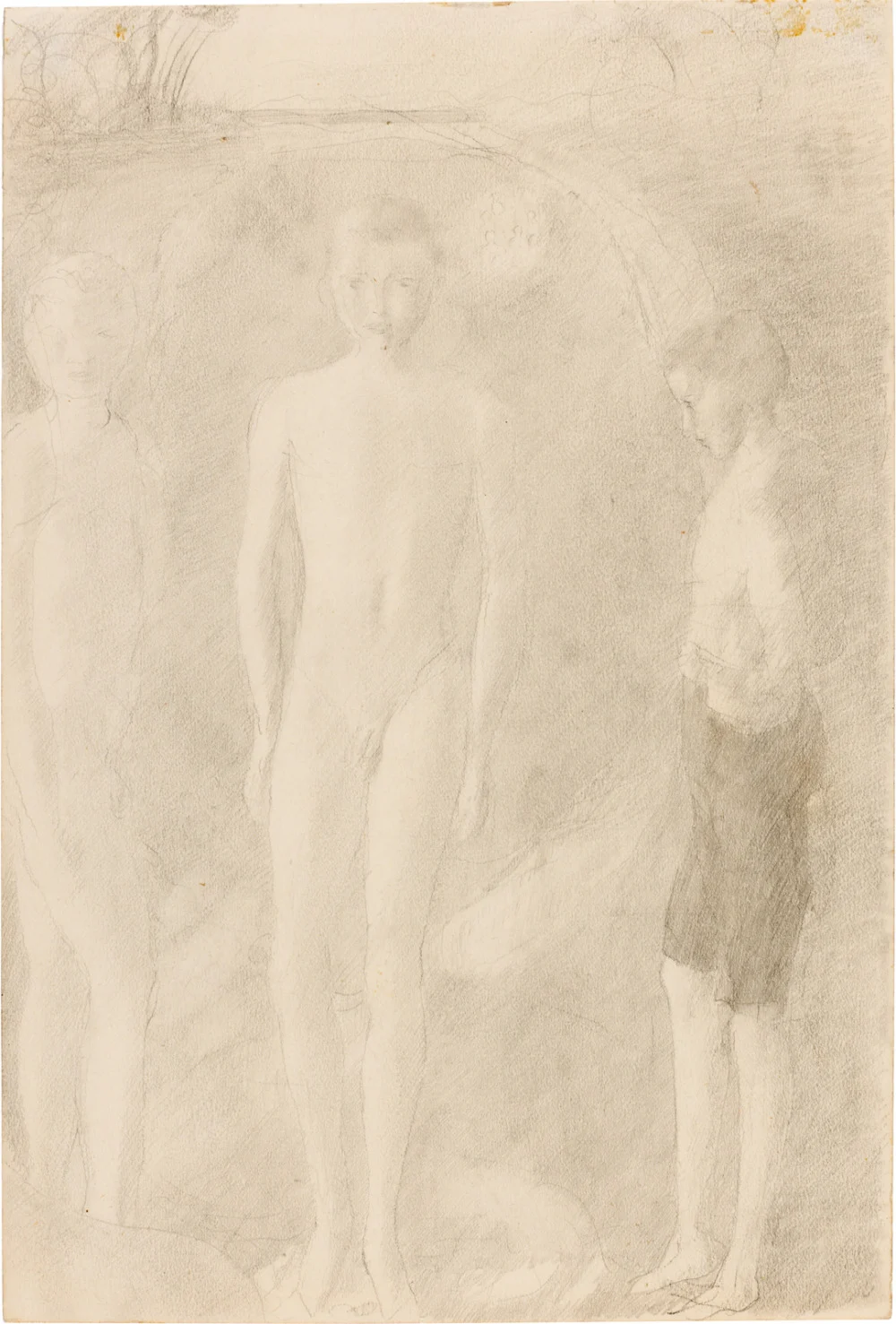
Otto Meyer-Amden
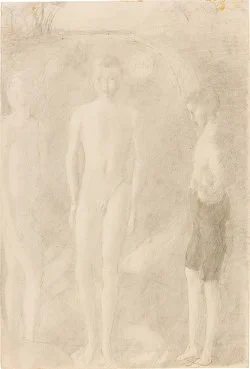
Untitled (Drei entkleidete Knaben im Freien, derjenige rechts in Kniehosen), 1922-1926
pencil on paper
23.8 x 16.1 cm

Otto Meyer-Amden
Untitled (Sternennacht über dem Walensee), 1931
oil and tempera on canvas
33.4 x 42 cm

Otto Meyer-Amden
installation view Herderstraße 16, Berlin 2025

Otto Meyer-Amden
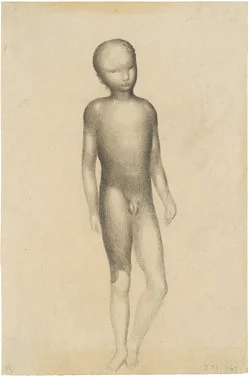
Untitled (Knabenakt), 1923
pencil on paper
22.5 x 14 cm

Otto Meyer-Amden
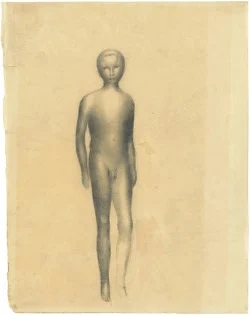
Untitled (Stehender Akt), 1923
pencil on parchment paper
20 x 15 cm

Otto Meyer-Amden
Untitled (Knabenakt vor dem Bett), nd
charcoal and pencil on paper
28 x 17 cm

Otto Meyer-Amden
ohne Titel (Stehende Knabenakte), ca. 1920
pencil on parchment paper
21.7 x 16.5 cm

Otto Meyer-Amden
ohne Titel (Knabenakt),
ca. 1920-1922
pencil on paper
34 x 27.8 cm

Otto Meyer-Amden
installation view Herderstraße 16, Berlin 2025

Otto Meyer-Amden
ohne Titel (Studie zu Engel Faustens Unsterbliches tragend), 1932
ink, pencil and colored pencil
on paper
68 x 51 cm
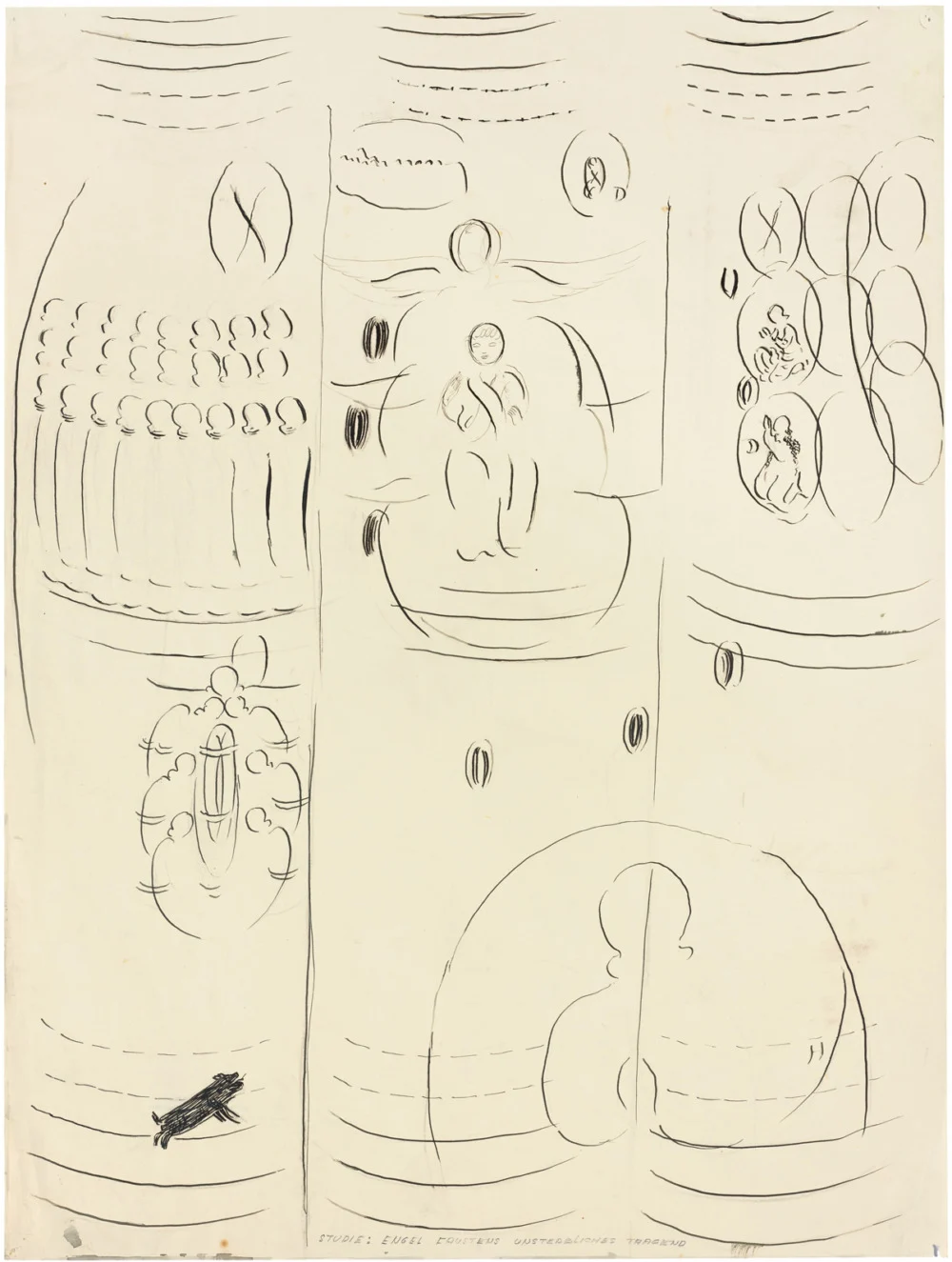
Otto Meyer-Amden
ohne Titel (Studie zu Engel Faustens Unsterbliches tragend), 1932
ink and pencil on paper
68 x 51 cm
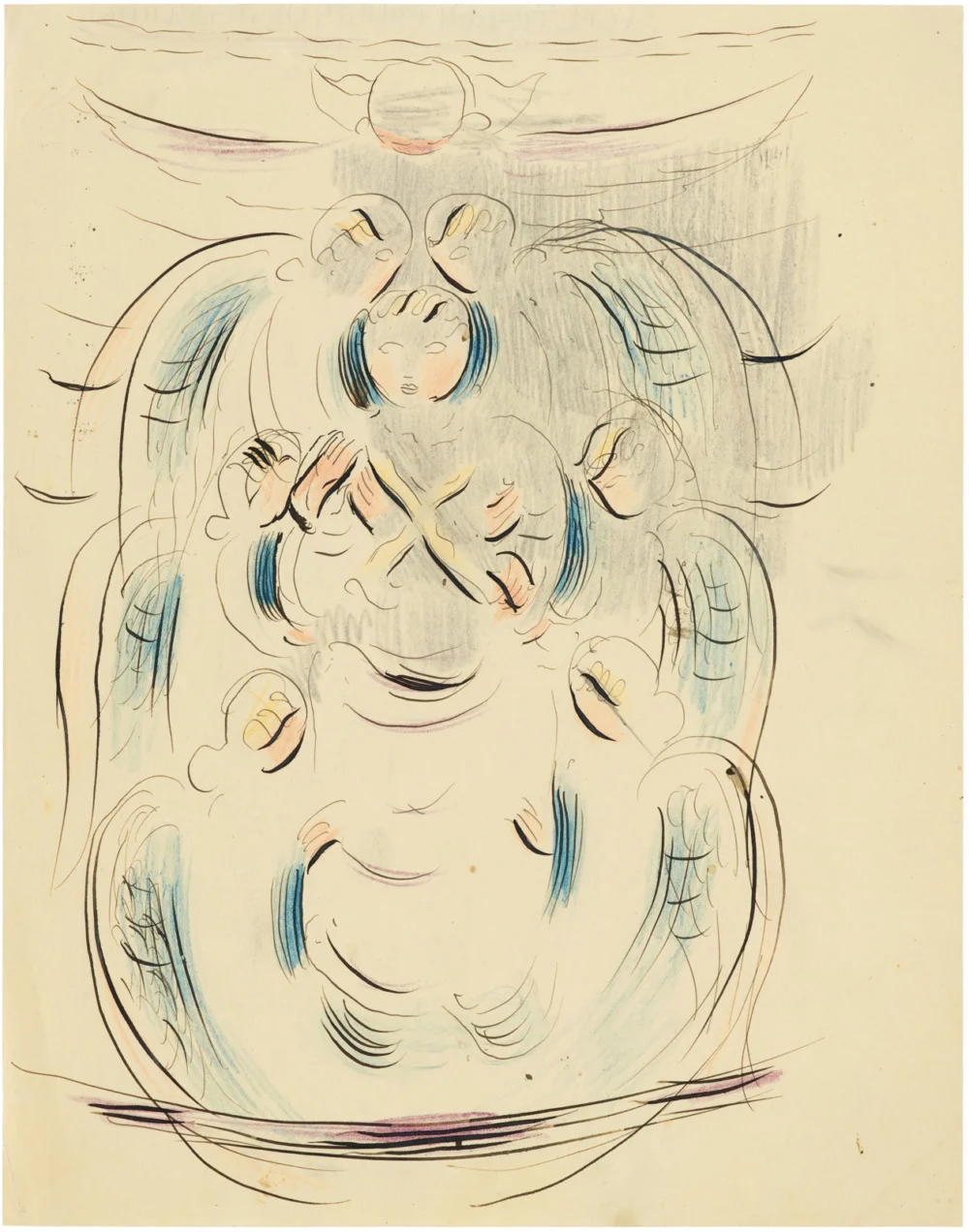
Otto Meyer-Amden
ohne Titel (Studie zu Engel Faustens Unsterbliches tragend), 1932
ink, pencil and colored pencil
on paper
27.5 x 21.5 cm
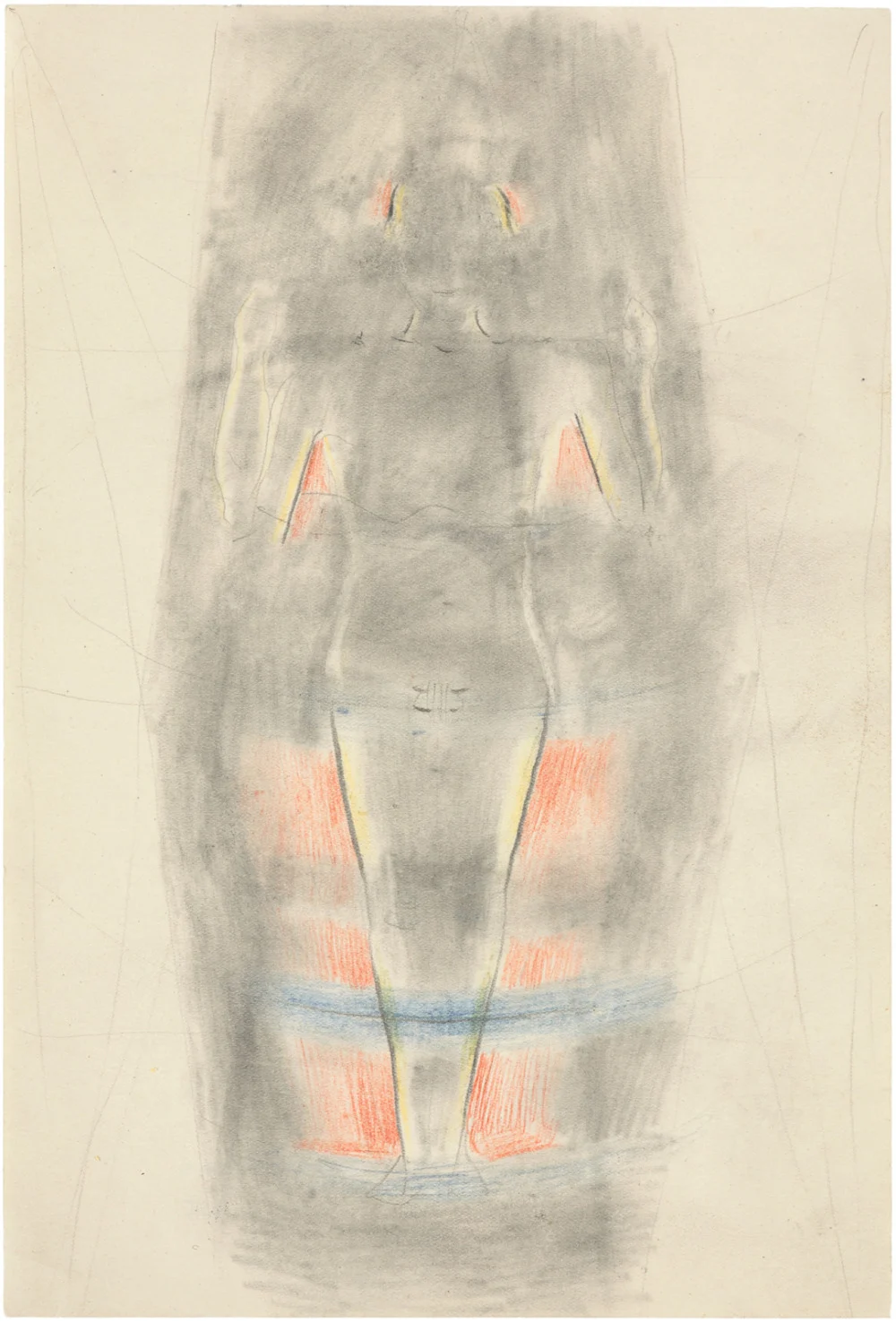
Otto Meyer-Amden
ohne Titel (Studie zu Engel Faustens Unsterbliches tragend), 1932
pencil and colored pencil
on paper
27.8 x 18.7 cm
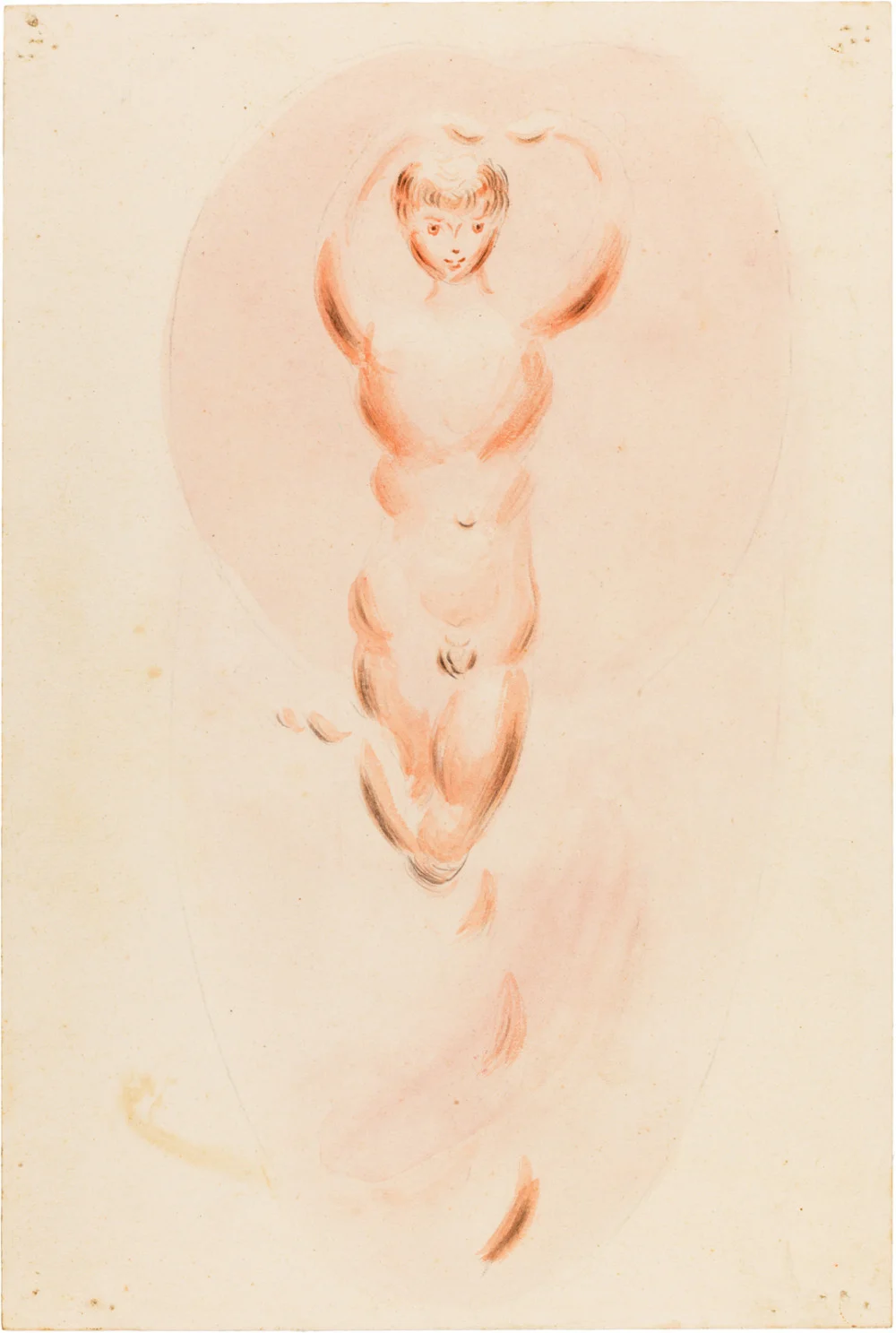
Otto Meyer-Amden
ohne Titel (aus der Rosareihe), nd
watercolor, pencil and colored pencil on paper
28 x 18.2 cm

Otto Meyer-Amden
installation view Herderstraße 16, Berlin 2025

Otto Meyer-Amden
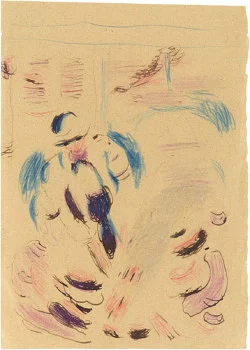
ohne Titel (Figur im Raum),
ca. 1930-1932
ink and colored pencil on paper
14.8 x 10.7 cm

Otto Meyer-Amden
ohne Titel (Gärtner), ca. 1930
ink on paper (vellum)
21.8 x 27.8 cm

Otto Meyer-Amden
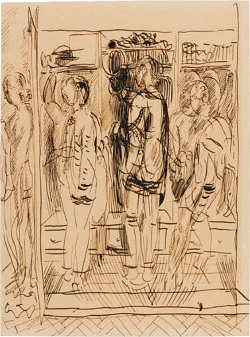
ohne Titel (Uniformierung II),
ca. 1930
ink on paper
27.5 x 20.5 cm

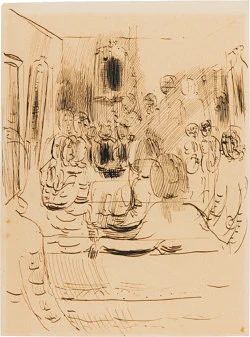
Otto Meyer-Amden
ohne Titel (Menschen im Saal), nd
ink on paper
27.5 x 20.5 cm

Otto Meyer-Amden
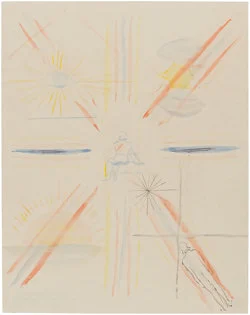
Untitled, nd
in and watercolor on paper
21.5 x 21 cm